


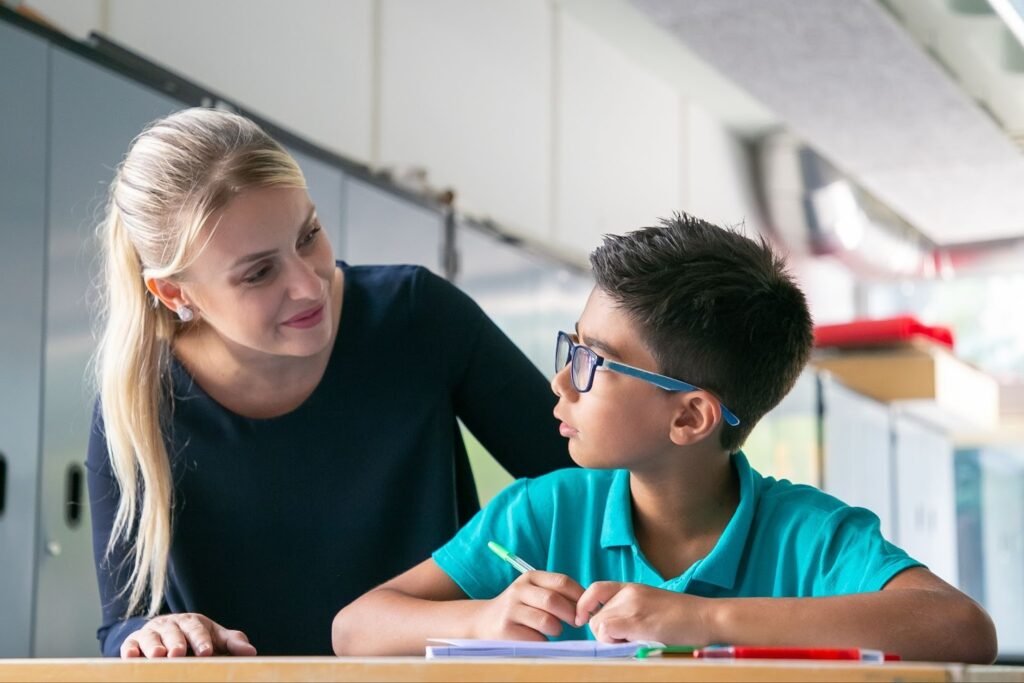


SPECIAL EDUCATION LAW: NAVIGATING SECTION 504 AND IDEA
Navigating the landscape of special education law can often feel like translating a complex, technical manual into a lived reality for our students. As someone who has spent years in the halls of Columbia University and at international conferences discussing the nuances of educational psychology, I’ve seen firsthand how Section...
Read More

HOW NUTRITION AND ENVIRONMENT AFFECT EARLY CHILDHOOD DEVELOPMENT
As a child psychologist, I often tell parents and educators that we aren't just raising children; we are tending to the most complex and delicate "biological computers" in existence. During the first five years, the brain is undergoing a period of explosive growth that will never be replicated again in...
Read More

SPECIAL EDUCATION LEADERSHIP IN EARLY CHILDHOOD AND K-12 SETTINGS
Whenever I sit down to discuss special education leadership, I’m reminded that we aren’t just talking about administrative hierarchies or compliance checklists, we are talking about the sacred architecture of a child’s future. As a specialist in the learning sciences, I often find myself looking at the "why" behind the...
Read More

A CLEAR THOUGHT LEADERSHIP DEFINITION FOR EDUCATORS AND PROFESSIONALS
In the world of structural engineering, we talk a lot about "load-bearing walls", the essential components that hold a building up. If you remove them, the whole thing collapses. In academia and the professional world, I’ve come to realize that thought leadership definition isn't just a buzzword; it is the...
Read More

HOW PARENT AND TEACHER COLLABORATION BOOSTS CLASSROOM PERFORMANCE
In my years transitioning from mechanical engineering to educational leadership, I have learned that the most resilient structures are built through human connection. We often talk about "classroom performance" as if it were a metric isolated within school walls, but my experience at my own kitchen table tells a different...
Read More

APPLYING EDUCATIONAL PSYCHOLOGY IN THE CLASSROOM: PRACTICAL STRATEGIES
In my years transitioning from a traditional engineering professor to an educational psychologist, I have often observed a frustrating disconnect between how we think students learn and how their brains actually process information under pressure. We often treat the classroom as a simple delivery system, I speak, you listen, you...
Read More

LITERACY RATES BY STATE: TRENDS, CHALLENGES, AND IMPROVEMENTS
As an educator who transitioned from the classroom to the world of data research, I often find that the term "literacy" is treated as a simple binary, either you can read, or you can’t. But those of us who have stood in front of a classroom know that literacy is...
Read More
THE BEST WAY TO STUDY FOR A TEST IN LIMITED TIME
As a licensed professional engineer who moved from the field into the classroom, I’ve seen firsthand that exams are often viewed as a high-stakes "life or death" hurdle rather than a professional milestone. We’ve all felt that crushing weight, the pressure of parental expectations and the silent judgment of distant...
Read More

PARENTAL RIGHTS IN EDUCATION VS. SCHOOL POLICIES: FINDING COMMON GROUND
As I sit on my balcony tending to my garden, I often reflect on how much the growth of a plant mirrors the development of a student. Just as a seedling requires the right soil, sunlight, and careful pruning to thrive, a child needs a harmonious environment both at home...
Read More

WHAT TO INCLUDE IN YOUR RESUME FOR COLLEGE APPLICATION
When I talk to my students about structural design, I always emphasize that the foundation is the most critical part of any build. Your college application resume serves that exact purpose, it is the foundation upon which your academic career will stand. I’ve noticed that many students feel overwhelmed, thinking...
Read More

THE STAGES OF COGNITIVE DEVELOPMENT IN EDUCATION AND THEIR IMPACT ON LEARNING
In my years spent in the classroom, I have come to realize that cognitive development is far more than a checklist of milestones; it is the invisible architecture upon which all academic success is built. When we talk about how a child thinks, explores, and figures things out, we are...
Read More

COLLEGE EDUCATION STATISTICS: GENDER, DIVERSITY, AND EQUITY TRENDS
When I look at a dataset, I don’t just see rows of figures; I see a complex blueprint of our societal progress. As an engineer, I’ve spent my career understanding that if a single variable in a formula is off, the entire structure is at risk. Higher education is no...
Read More

SUPPORTING MENTAL HEALTH AS A SPECIAL EDUCATION TEACHER
As a specialist in inclusive STEM curricula, I’ve spent over 15 years witnessing how the right environment can unlock a student’s potential. While my daily work often focuses on adaptive teaching strategies and engineering education, I’ve learned that a student’s mental health is the silent engine behind their academic success....
Read More
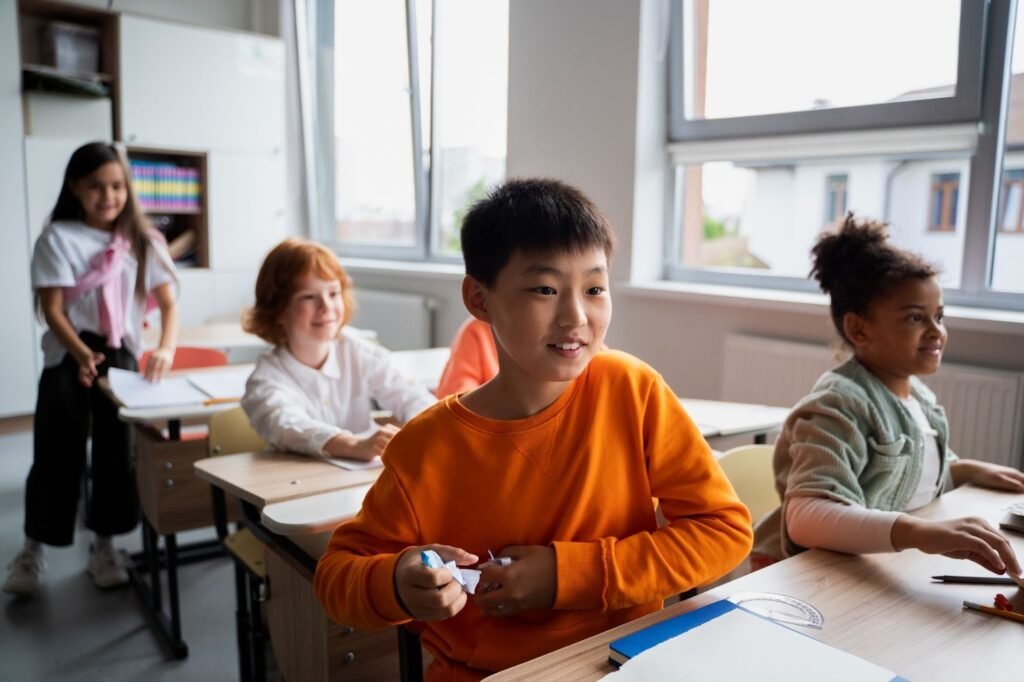
HOW STUDENTS BUILDING KNOWLEDGE CONSTRUCTIVISM IN LEARNING ENVIRONMENT
From my vantage point as a developmental psychologist, I see constructivism not merely as a teaching method, but as a fundamental recognition of the learner's humanity. In my research on engineering students, I have found that when we treat students as passive vessels, we strip away the very motivation they...
Read More

EARLY CHILDHOOD INTERVENTION: WHEN AND HOW TO SEEK HELP
As a preschool teacher, I’ve spent countless hours on the floor watching children navigate the complex world of early learning. One thing I’ve realized is that "intervention" can be a scary word for parents. It often carries a weight that feels like a diagnosis or a permanent label, but in...
Read More

STUDY TIPS FOR COLLEGE STUDENTS WITH PART-TIME JOBS
In my fifteen years standing at the front of a mechanical engineering lecture hall, I’ve noticed a consistent pattern: the students who struggle the most aren’t necessarily the ones with the hardest course loads, but rather those trying to balance a part-time job without a structural framework. I often tell...
Read More
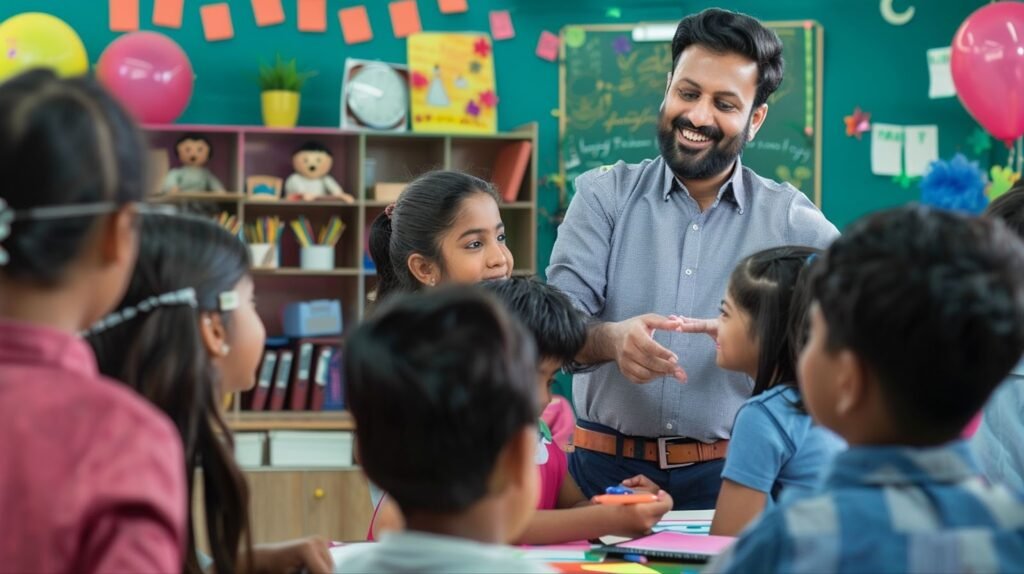
TEACHERS WORKING WITH PARENTS: TIPS ON ENGAGING HARD-TO-REACH PARENTS
In my years as a civil engineer, I learned that even the most impressive blueprints are useless if the people on the ground aren't talking to each other. The same is true in education. When we talk about "hard-to-reach" parents, we aren't just discussing a logistical hurdle; we’re talking about...
Read More
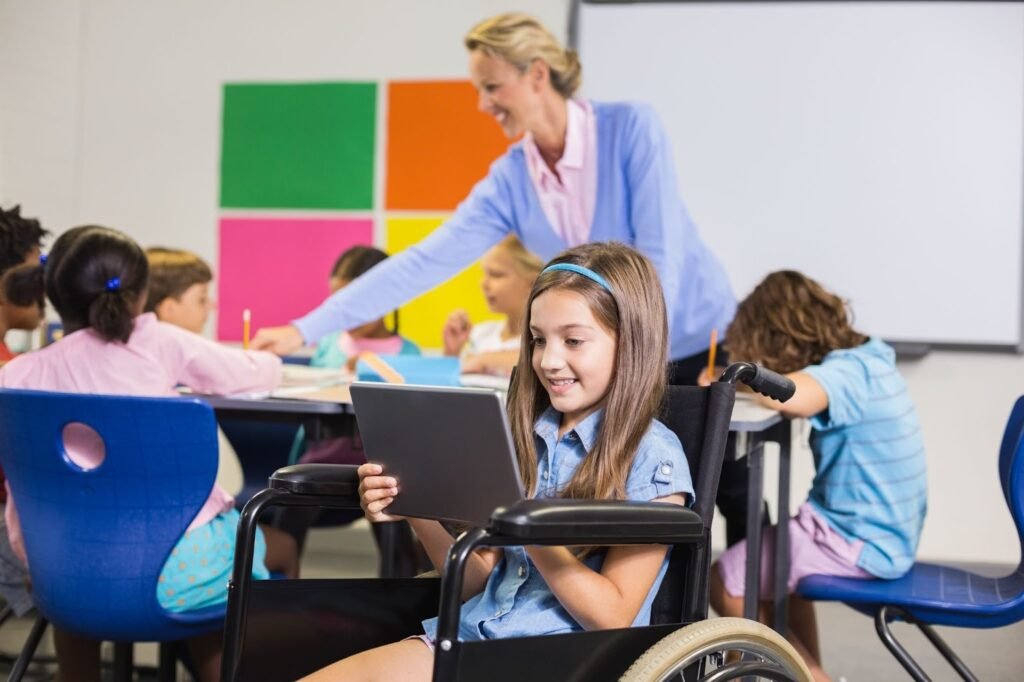
OVERCOMING COMMON CHALLENGES IN TEACHING SPECIAL EDUCATION
In my ten years in the classroom, I’ve learned that the first step to overcoming any obstacle is a deep understanding of each student’s unique needs. It’s about recognizing the diverse learning styles, emotional responses, and social interactions that make every learner a unique puzzle to solve. Every child brings...
Read More

ADULT EDUCATION FOR CAREER ADVANCEMENT: COURSES THAT BOOST EMPLOYABILITY
In my eighteen years of standing at the intersection of technology and pedagogy, I have witnessed a fundamental shift in how we perceive the "classroom" for adult learners. We used to view education as a finite destination, a degree earned in your twenties that would sustain a forty-year career. But...
Read More

THE IMPACT OF TECHNOLOGY ON CURRENT ISSUES IN EDUCATION
In my fifteen years researching STEM education reform, I have watched the classroom transform from a space of chalkboards and static textbooks into a dynamic, "digital by default" environment. While it is inspiring to see how technology can democratize information, we must be incredibly wary of how this shift impacts...
Read More
Load More