

Parent and teacher collaboration plays an essential role in boosting classroom performance by fostering a supportive educational environment. When parents and teachers communicate openly and build trust, they can collectively address individual student needs. This partnership empowers students, ensuring they feel valued and understood. Regular meetings and shared goals align efforts, enhancing student motivation and engagement. Additionally, active parental involvement strengthens home learning environments, reinforcing educational aspirations. As families and educators navigate challenges together, they cultivate resilience and academic success. Exploring the dynamics of this collaboration reveals additional insights into its transformative impact on student outcomes.
KEY TAKEAWAYS
- Collaboration between parents and teachers creates a supportive environment, enhancing student engagement and emotional well-being.
- Open communication channels promote trust, facilitating ongoing dialogue about student progress and challenges.
- Shared goals and values align efforts, fostering meaningful discussions and reinforcing positive behaviors in students.
- Regular collaborative meetings ensure accountability, track progress, and address concerns constructively.
- Active parental involvement boosts academic success, nurturing curiosity and reinforcing classroom learning at home.
IMPORTANCE OF COLLABORATION
Why is collaboration between parents and teachers essential for student success? The synergy created through collaborative learning environments enhances the educational experience for students by fostering mutual respect and shared responsibility.
When parents and teachers actively participate in the educational process, they create an ecosystem that supports diverse perspectives, thereby enriching the learning outcomes for children. This partnership encourages positive reinforcement, allowing students to thrive in an atmosphere where they feel valued by both their educators and their families.
By engaging in community involvement, parents and teachers can collectively problem-solve challenges that may arise in a student’s academic journey. This collaborative approach not only addresses individual learning needs but also promotes a sense of belonging, which is critical for student motivation and engagement.
Moreover, the active participation of both parents and teachers in educational initiatives reinforces the idea that education is a shared endeavor. This shared commitment contributes to a more cohesive support system that empowers students to take ownership of their learning.
Building Trust and Communication
The foundation of effective collaboration between parents and teachers lies in the establishment of trust and open lines of communication. Trust is not built overnight; it requires intentional efforts and consistent engagement from both parties. Trust building activities can serve as an important tool in fostering a supportive environment where parents feel valued and teachers are seen as partners in their child’s education. Such activities might include interactive workshops that encourage parents and educators to share their experiences, expectations, and concerns.
Communication workshops play a significant role in equipping both parents and teachers with the necessary skills to engage in meaningful dialogue. These workshops can provide strategies for active listening, constructive feedback, and conflict resolution, which are essential for overcoming barriers that may exist between home and school. By focusing on shared goals—namely, the academic and emotional well-being of students—both parties can cultivate a culture of transparency and respect.
Furthermore, establishing regular communication channels, such as newsletters, meetings, or digital platforms, can reinforce the collaborative spirit. This ongoing dialogue not only keeps parents informed but also invites their insights and suggestions, making them feel integral to the educational process.
Ultimately, when trust and communication are prioritized, the partnership between parents and teachers can flourish, leading to enhanced student outcomes and a more cohesive educational community.
Strategies for Effective Partnership
To foster an effective partnership between parents and teachers, it is essential to establish open communication channels that facilitate ongoing dialogue. As parents and teachers, practicing active listening means dedicating our full attention to what the other person is saying.
Aligning on shared goals and values further strengthens this collaboration, ensuring that both parties are working towards the same educational outcomes.
Regular collaborative meetings serve as a platform for exchanging ideas, addressing concerns, and reinforcing the commitment to student success.
Open Communication Channels
Effective partnerships between parents and teachers hinge on the establishment of open communication channels, which are vital for fostering a supportive learning environment. If a student is struggling in math and hasn’t necessarily told their family, the family may get that information from the teacher—and from there, the two can work together to create a more favorable learning environment.
These channels facilitate information sharing, enhance parental involvement, and contribute to the overall development of students. By leveraging digital platforms and virtual meetings, educators can guarantee that families remain engaged and informed, creating feedback loops that are essential for addressing student needs.
To optimize communication, the following strategies are recommended:
- Utilize digital platforms for regular updates and announcements.
- Implement feedback loops to gather insights from parents on student progress and challenges.
- Engage community resources to support diverse learning needs and broaden educational opportunities.
- Emphasize cultural sensitivity to acknowledge and respect the varied backgrounds of families, promoting inclusivity.
- Establish conflict resolution protocols to address concerns promptly and constructively.
Shared Goals and Values
Shared goals and values serve as the cornerstone of a successful partnership between parents and teachers, aligning efforts toward the common objective of enhancing student learning. When both parties identify and commit to shared educational aspirations, they create a unified front that empowers students to thrive academically and socially.
Establishing common interests fosters a collaborative environment where parents and teachers can engage in meaningful dialogue about student progress and challenges. This educational alignment not only strengthens relationships but also cultivates a sense of community, creating a supportive network that underpins a child’s development.
Moreover, by articulating shared values, such as the importance of respect, responsibility, and resilience, parents and teachers can collaboratively promote these principles within the classroom and at home. This consistency reinforces positive behaviors and encourages students to internalize these values, contributing to a harmonious learning experience. When classroom projects involve hands-on technical activities, teachers and parents may coordinate using structured materials from the engineering teacher shop to ensure alignment between school expectations and at-home support.
Ultimately, prioritizing shared goals and values is vital for effective partnerships. By working together toward mutual objectives, parents and teachers can effectively navigate the complexities of education, ensuring that every child receives the support necessary to excel.
Regular Collaborative Meetings
Regular collaborative meetings between parents and teachers serve as a critical strategy for fostering effective partnerships that enhance student success. By establishing a structured environment for discussion, these meetings promote goal alignment and shared accountability for student outcomes.
To maximize the impact of these interactions, several key elements should be considered:
- Meeting Frequency: Regularly scheduled gatherings help maintain momentum and guarantee ongoing dialogue.
- Agenda Setting: Defining clear agendas prior to meetings allows participants to prepare, facilitating focused discussions.
- Participant Roles: Clearly defined roles for parents and teachers enhance engagement and accountability, ensuring that everyone contributes meaningfully.
- Feedback Loops: Constructive feedback mechanisms encourage reflection and adaptation, fostering continuous improvement in strategies and practices.
- Follow-Up Strategies: Effective action items and follow-up procedures are essential for tracking progress, managing time efficiently, and resolving conflicts that may arise.
Incorporating these elements into collaborative meetings not only strengthens relationships but also enhances decision-making processes.
Ultimately, these strategies create a supportive framework for parents and teachers, driving student achievement through unified efforts and shared commitment.

ROLE OF PARENTS IN EDUCATION
How can parents best support their children’s educational journeys? The answer lies in active and meaningful parent involvement, which serves as a cornerstone for fostering academic success. Engaging in educational support begins with establishing a strong home learning environment where parents take on the role of facilitators. This involves not only assisting with homework but also nurturing curiosity and encouraging critical thinking. Parents can further reinforce classroom concepts by engaging their children in discussions or activities related to engineering lessons introduced at school.
Family engagement extends beyond the walls of the home. Parents can advocate for their children’s educational needs by collaborating with teachers and school administrators. This partnership enhances parental guidance, ensuring that parents are well-informed about curricula, assessment standards, and available community resources.
When parents are involved in their children’s education, they create a network of support that reinforces learning both at school and at home.
Moreover, educational advocacy plays a pivotal role in shaping school policies and practices that benefit all students. By voicing their perspectives and concerns, parents contribute to the development of inclusive educational environments that cater to diverse learning needs.
Ultimately, the synergy between home and school greatly impacts students’ academic outcomes. When parents actively participate in their child’s education, they instill a sense of responsibility and motivation, fostering a lifelong love of learning.
Therefore, by embracing their role in education, parents not only enhance their children’s academic success but also cultivate a community of learners dedicated to growth and achievement.
Teacher Support and Guidance
Effective teacher support and guidance are fundamental components that shape a student’s educational experience. When teachers provide a nurturing environment, they can considerably enhance student motivation and foster a sense of belonging.
This collaborative approach not only bolsters academic achievement but also strengthens the partnership between educators and parents, promoting a holistic framework for student success.
The following elements highlight the importance of teacher support and guidance in fostering a productive learning atmosphere:
- Clear Communication: Establishing open lines of communication between teachers and parents empowers families to engage actively in their child’s education.
- Individualized Attention: Tailoring support to meet the unique needs of each student enhances their learning experience and boosts confidence. For example, when the engineering teacher collaborates closely with parents, they can better align hands-on projects with a student’s strengths and interests.
- Resource Availability: Providing access to educational resources and tools enables both students and parents to reinforce learning at home.
- Encouragement of Parental Involvement: Actively inviting parents to participate in classroom activities fosters a supportive community that benefits all stakeholders.
- Professional Development: Continuous training for teachers guarantees they remain equipped with the latest pedagogical strategies to support diverse learners effectively.
Impact on Student Engagement
The collaboration between parents and teachers creates enhanced communication channels that foster a supportive learning environment. When a teacher observes problematic changes in a student’s behavior or grades, this can be addressed with the student’s parents — and the learner can get the support or help that they need.
When both parties align on shared learning goals, students are more likely to feel engaged and motivated in their educational pursuits.
This partnership not only reinforces academic objectives but also nurtures students’ overall development, highlighting the importance of their active participation in the learning process.
Enhanced Communication Channels
In today’s educational landscape, fostering a robust partnership between parents and teachers is paramount for enhancing student engagement, particularly through improved communication channels. Effective communication serves as the backbone of this collaboration, utilizing digital tools and various platforms to create feedback loops that keep all parties informed and involved.
By leveraging these channels, teachers can share classroom insights while parents can contribute valuable perspectives, fostering a sense of community involvement.
Enhanced communication channels offer multiple benefits, including:
- Resource sharing: Facilitating access to educational materials and tools that support student learning.
- Parent workshops: Providing opportunities for parents to gain skills and strategies to assist their children academically.
- Social media engagement: Utilizing platforms to celebrate student achievements and promote school activities, enhancing community ties.
- Regular updates: Ensuring parents are informed about classroom events, assignments, and student progress.
- Interactive feedback loops: Allowing for continuous dialogue that addresses concerns, celebrates successes, and improves educational outcomes.
Shared Learning Goals
Building on the foundation of enhanced communication channels, the establishment of shared learning goals between parents and teachers can greatly impact student engagement. When parents and educators collaboratively define these goals, they create a unified vision that aligns with the curriculum, fostering a cohesive learning environment. This alignment not only clarifies expectations but also guarantees that students understand the relevance of their academic pursuits to their personal growth.
Furthermore, shared learning goals facilitate progress tracking, allowing both parents and teachers to monitor students’ achievements and challenges in real-time. This active involvement empowers families to support their children effectively, reinforcing the skills and concepts being taught. As parents gain insights into classroom activities and learning milestones, they can engage in meaningful discussions with their children, thereby enhancing motivation and interest in their education.
Ultimately, when parents and teachers work together toward shared learning objectives, they instill a sense of accountability and ownership in students. This collaborative approach nurtures a more engaged learning community, where students are more likely to thrive academically and socially, paving the way for lifelong success.
Measuring Success Together
Successful collaboration between parents and teachers is vital in fostering student achievement and overall well-being. By measuring success together, both parties can create a thorough understanding of a child’s educational journey. This involves employing various evaluation methods and assessment strategies that not only track academic performance but also take into account emotional and social growth.
Utilizing performance indicators allows for objective measurement of student progress, while data analysis helps identify trends and areas needing improvement.
Moreover, establishing effective feedback loops is fundamental for refining collaborative efforts. Parents and teachers can share insights, enabling a continuous cycle of improvement. This synergy can be further enhanced through the use of collaborative tools, which facilitate communication and resource sharing, making it easier to address challenges as they arise.
To guarantee a holistic approach to student development, it is vital to implement outcome tracking systems that reflect not only academic success but also personal growth.
Key elements to reflect on in measuring success together include:
- Development of clear success metrics aligned with shared goals
- Regular data analysis sessions to assess student progress
- Creation of feedback loops for timely and constructive communication
- Utilization of effective evaluation methods to gauge the impact of interventions
- Consistent outcome tracking to monitor long-term achievements
Through these strategies, parents and teachers can cultivate an environment that promotes sustained growth and success for every student.
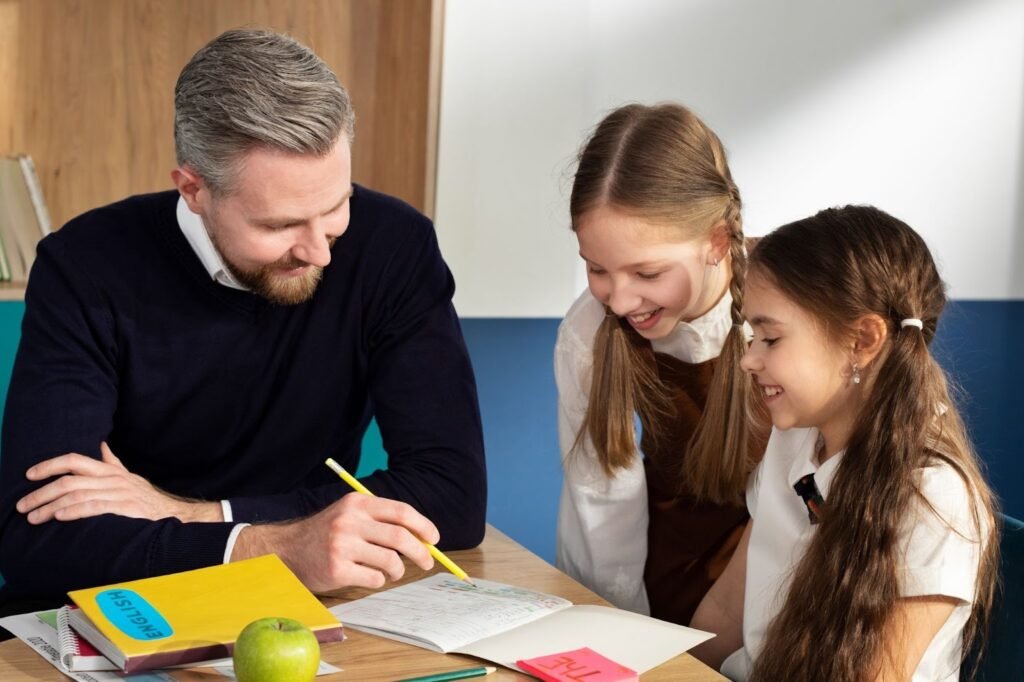
RELATED STUDIES ABOUT PARENT AND TEACHER COLLABORATION
The collaboration between parents and teachers considerably enhances classroom performance, fostering an environment conducive to student success. For instance, a hypothetical case study reveals a student struggling with reading, whose parents, upon collaborating with the teacher, implemented a structured home reading program. This partnership not only improved the student’s reading skills but also reignited a passion for learning, illustrating the profound impact of united efforts. Ultimately, the synergy between home and school remains a cornerstone of educational achievement.
Navigating Parental Engagement in WhatsApp Groups: A Study of Parent-Teacher Experiences
- Objective and Background
The widespread use of WhatsApp for parent-teacher communication has transformed traditional educational partnerships. While much research has focused on WhatsApp’s pedagogical potential, less is known about how its unique digital features reshape the dynamics of parent-teacher relationships and, consequently, parental engagement in children’s education. This study addresses this gap by exploring how WhatsApp groups facilitate or constrain parental engagement (PE) —a deeper, more collaborative form of partnership that goes beyond simple information-sharing (parental involvement).
The research was guided by one overarching question and three sub-questions, focusing on how parents and teachers utilize these groups, how WhatsApp’s affordances shape interactions, and how boundaries are negotiated within these digital spaces.
- Methodology
The study employed a qualitative, phenomenological approach to gain an in-depth understanding of users’ experiences.
- Participants: 31 participants were interviewed, consisting of 20 parents (18 mothers, 2 fathers) and 11 elementary school teachers (9 women, 2 men). Participants were recruited from 20 different elementary schools across Israel, representing a diverse range of geographic and demographic contexts. The focus on elementary schools was intentional, as WhatsApp groups are most prevalent for younger students.
- Data Collection: In-depth, semi-structured interviews were conducted, lasting between 40 and 85 minutes. Interviews explored motivations for group participation, perceived effectiveness, challenges, and perspectives on desired discourse.
- Data Analysis: Interviews were transcribed and analyzed using thematic analysis. Data collection continued until thematic saturation was achieved. To enhance validity, a subset of participants was invited to provide feedback on the study’s findings.
- Key Findings
The analysis revealed three main themes, highlighting the dual nature of WhatsApp as both a powerful tool and a source of significant tension.
- The Use and Functions of the Group: Parents and teachers largely viewed the groups positively for supporting the child’s educational journey. Key functions included sharing updates on homework, tests, and school activities; communicating about emergencies; and enabling parents to stay informed, especially as children become less communicative. This access was seen as fostering deeper engagement and helping to ensure student progress.
- The Role of Affordances in Group Dynamics: WhatsApp’s core features created a paradoxical dynamic.
- Immediacy and Availability: The constant accessibility (“the teacher in the palm of your hand”) was valued but also led to overwhelming notification overload for parents and created unrealistic expectations of constant teacher availability, blurring professional boundaries.
- Public Nature and Transparency: The public forum created collective awareness and a sense of shared accountability (e.g., teachers could document they had shared information). However, it also led to public disputes, “parent-shaming,” and discussions about individual students or teachers, which raised significant privacy and ethical concerns.
- Negotiating Boundaries and Engagement: A central tension was the struggle to balance engagement with student autonomy and teacher authority. Parents worried that over-involvement via the group undermined children’s independence and the teacher’s status in the classroom. The study also documented the spontaneous and formal negotiation of group norms around appropriate content and communication style. When official group boundaries were too restrictive, parents created parallel, teacher-free WhatsApp groups for more open discussion, a direct parallel to student behavior documented in prior research.
- Conclusions and Implications
The study concludes that WhatsApp groups do not simply enhance traditional parent-teacher communication but fundamentally reshape the nature of parental engagement. The platform’s affordances create a “forced engagement” that can both empower and destabilize educational partnerships.
- Theoretical Contribution: The findings suggest that the classic continuum from Parental Involvement (PI) to Parental Engagement (PE) must be reconsidered in the digital age. Technology adds a new dimension, transforming the continuum into a multi-dimensional construct where engagement is shaped not just by human actions but by the technological environment itself.
- Practical Implications:
- Need for Institutional Guidelines: The study reveals a critical lack of formal guidelines for managing these groups, which are often created on teachers’ own initiative. Schools must develop clear policies for WhatsApp use that cover conduct, content boundaries, and expectations for response times.
- Proactive Boundary Setting: Teachers should initiate discussions at the start of the year to establish explicit norms for communication, message frequency, and the purpose of the group.
- Parent Education: Schools should offer programs to help parents understand their role in digital partnerships, balancing active engagement with respect for professional boundaries and student autonomy.
- Future Research: The authors call for research in other cultural contexts, at different grade levels (e.g., kindergarten, high school), and with a deeper focus on parent-to-parent dynamics within and outside of official groups.
| REFERENCE: Shira Traeger-Soudry, Hananel Rosenberg, Chen Sabag-Ben Porat, Hila Lowenstein-Barkai, Navigating parental engagement in WhatsApp groups: A study of parent-teacher experiences, Teaching and Teacher Education, Volume 162, 2025, 105074, ISSN 0742-051X, https://doi.org/10.1016/j.tate.2025.105074. (https://www.sciencedirect.com/science/article/pii/S0742051X25001519) |
Associations Between Daily Parent-Teacher Communication, Child’s Problem Behavior, and Parent-Child Relationship Mediated by Parental Self-Efficacy
- Objective and Background
The increasing demand for early childhood education and care (ECEC) has prompted extensive research on its effects. However, studies often examine child outcomes and parent outcomes separately. This study aimed to integrate these perspectives by investigating how daily experiences in childcare centers—specifically, daily parent-teacher communication and the child’s daily experiences at the center—are associated with parent outcomes (parental self-efficacy, or PSE), child outcomes (problem behavior), and family well-being (parent-child relationship). The study also examined whether these relationships differ based on a family’s socioeconomic status (SES).
- Methodology
The study analyzed data from the Japan Child Panel Survey-Preschool Survey (JCPS-PS), a nationally representative survey.
- Participants: The sample included 239 children (mean age 4.95 years) and their parents, all of whom were enrolled in formal childcare centers in Japan. Data was collected from parents.
- Measures:
- Daily Parent-Teacher Communication: A composite score based on the use of a daily contact notebook and the frequency of daily face-to-face conversation with the teacher.
- Child’s Daily Experiences at Childcare Center: A composite score based on the amount of organized playtime, intellectual education time, and the display of children’s work.
- Parental Self-Efficacy (PSE): A 4-item scale measuring parents’ confidence and fulfillment in their parenting role.
- Child’s Problem Behavior: Measured using the total difficulties score from the Strengths and Difficulties Questionnaire (SDQ).
- Parent-Child Relationship: Measured using the “conflict” subscale of the Child-Parent Relationship Scale (CPRS).
- Socioeconomic Status (SES): A composite score based on household income and parental education levels.
- Analysis: Data was analyzed using exploratory factor analysis to create composite variables, followed by path analysis with mediation and multiple-group analysis to compare low- and high-SES families.
- Key Findings
The study revealed a clear pathway through which daily parent-teacher communication influences family outcomes.
- The Mediating Role of Parental Self-Efficacy (PSE):
- Daily parent-teacher communication was significantly and positively associated with parental self-efficacy.
- PSE, in turn, was significantly and negatively associated with both child problem behaviors and a conflictive parent-child relationship.
- Mediation analysis confirmed that PSE fully mediated the relationship between parent-teacher communication and both child problem behaviors and the quality of the parent-child relationship. In other words, communication with teachers helps parents feel more confident and capable, and this confidence leads to better outcomes for the child and the family.
- No Direct Effect of Child’s Daily Experiences: The child’s daily experiences at the childcare center (curriculum, playtime) were not significantly associated with PSE, child problem behavior, or the parent-child relationship. While this measure was correlated with parent-teacher communication, it did not directly contribute to the outcomes studied.
- Socioeconomic Status as a Moderator: The relationship between parent-teacher communication and PSE was significantly moderated by family SES.
- For higher-SES parents, daily communication with teachers was strongly and positively related to their self-efficacy.
- For lower-SES parents, there was no significant relationship between daily communication and PSE. This suggests that higher-SES parents may benefit more from these interactions, potentially due to differences in the quality of communication or teacher perceptions.
- Conclusions and Implications
The study concludes that daily, routine communication between parents and teachers in childcare settings is a crucial, yet often overlooked, mechanism that supports the whole family.
- Theoretical Contribution: The findings provide empirical support for Bronfenbrenner’s bioecological theory, demonstrating how the “mesosystem” (the interaction between home and school) influences child development and family well-being. It extends the ECEC research framework by showing that parent-level experiences (communication) impact parent outcomes (PSE), which then cascade to child and family outcomes.
- Practical Implications for ECEC Policy and Practice:
- Support Teachers as Family Supporters: The teacher’s role extends beyond educating the child to include supporting parents. Fostering open, positive daily communication should be a recognized and valued part of ECEC practice.
- Prioritize Communication Tools: Simple tools like a daily contact notebook can be highly effective in building parental confidence and should be supported with appropriate resources and manageable workloads for teachers.
- Address SES Disparities: The finding that lower-SES parents do not reap the same self-efficacy benefits from daily communication is a critical equity concern. Childcare centers may need to act as “brokers,” connecting lower-SES families with additional social resources (e.g., parenting programs, health screenings) to enhance their sense of efficacy and support their children’s development in ways that go beyond standard daily communication.
| REFERENCE: Keiko K. Fujisawa, Kayo Nozaki, Michio Naoi, Chizuru Shikishima, Hideo Akabayashi, Associations between daily parent–teacher communication, child’s problem behavior, and parent–child relationship mediated by parental self-efficacy, Early Childhood Research Quarterly, Volume 72, 2025, Pages 361-370, ISSN 0885-2006, https://doi.org/10.1016/j.ecresq.2025.05.001. (https://www.sciencedirect.com/science/article/pii/S0885200625000444) |
Associations Between Time Spent Communicating with Parents, Teacher Self-Efficacy, and Stress: The Role of Professional Development
- Objective and Background
Teacher-parent communication is a cornerstone of effective education, linked to improved student outcomes. However, its impact on teachers themselves is complex and underexplored. This study investigates the dual role of this communication, examining how the time teachers spend interacting with parents is associated with both a positive outcome—teacher self-efficacy—and a negative one—parent-related stress.
Framed by the Job Demands-Resources (JD-R) model, the research posits that communication with parents can act as both a supportive resource (enhancing efficacy) and a demanding stressor (increasing strain). A key focus is whether participation in professional development (PD) focused on teacher-parent collaboration can mitigate the negative stress effects while preserving or enhancing the positive efficacy effects.
- Methodology
The study conducted a quantitative analysis of large-scale, cross-national data.
- Data Source: The study used data from the Teaching and Learning International Survey (TALIS) 2018, a robust international dataset. The final analytic sample consisted of 122,584 teachers from 12,034 schools across 45 countries.
- Measures:
- Independent Variable: Time spent communicating with parents (self-reported hours per week).
- Dependent Variables: Teacher self-efficacy (a standardized composite measure) and parent-related stress (a single-item measure).
- Moderator: Participation in PD focused on working with parents (yes/no).
- Covariates: A wide range of controls were included, such as total working hours, stress from students, workload stress, job satisfaction, teacher cooperation, and teacher demographics.
- Analysis: The study employed school fixed-effects regression models. This powerful technique controls for all unobserved, time-invariant differences between schools (e.g., leadership quality, community demographics), allowing for a more reliable comparison of teachers within the same institutional environment.
- Key Findings
The results confirmed the dual nature of teacher-parent communication and highlighted the protective role of professional development.
- The Dual Effect: One additional hour of communication with parents per week was associated with:
- A small but significant increase in teacher self-efficacy (0.03 standard deviations).
- A stronger, significant increase in parent-related stress (0.06 standard deviations). The stress effect was twice as large as the efficacy effect.
- This dual pattern was observed consistently across two-thirds of the 45 countries analyzed.
- The Protective Role of Professional Development (PD):
- PD participation had a significant main effect, being associated with higher self-efficacy and lower stress overall.
- Crucially, PD significantly moderated the relationship between communication time and stress. For teachers who had participated in PD focused on parent collaboration, the stress associated with additional communication time was reduced.
- PD did not moderate the relationship between communication time and self-efficacy, meaning it protected against the downside without diminishing the upside.
- Country-Level Variation: While the dual pattern was widespread, the strength of the associations varied. For example, Finland showed no significant link between communication and self-efficacy but had the strongest link to stress, possibly reflecting high societal expectations for parental involvement.
- Conclusions and Implications
The study concludes that teacher-parent communication is an inherently complex, “dual dynamic” force in teachers’ professional lives. It can empower but also burden. The findings have significant implications for policy and school leadership.
- Theoretical Contribution: The research provides strong empirical support for the JD-R model in the context of teacher-parent relations, demonstrating that a single aspect of work (communication) can simultaneously function as a resource and a demand.
- Practical Implications:
- Acknowledge the Trade-off: Policymakers and school leaders must move beyond simplistic narratives that frame parent engagement as an unqualified good. The associated stress for teachers must be recognized and addressed.
- Invest in Targeted Professional Development: PD programs specifically designed to equip teachers with skills for effective parent collaboration (e.g., conflict resolution, active listening, boundary-setting) are a critical investment. Such training can serve as a protective factor against burnout.
- Develop Systemic Guidelines: Schools and districts should establish clear communication protocols and norms (e.g., appropriate hours, channels for different types of communication) to manage expectations and reduce teacher emotional labor.
- Consider Communication Time a Working Condition: The time and emotional energy spent on parent communication should be recognized as a significant part of teachers’ work, relevant to discussions about workload, job satisfaction, and retention.
| REFERENCE: Hyunwoo Yang, Haram Jeon, Soobin Choi, Associations between time spent communicating with parents, teacher self-efficacy, and stress: The role of professional development, International Journal of Educational Research Open, Volume 9, 2025, 100500, ISSN 2666-3740, https://doi.org/10.1016/j.ijedro.2025.100500. (https://www.sciencedirect.com/science/article/pii/S2666374025000652) |
