
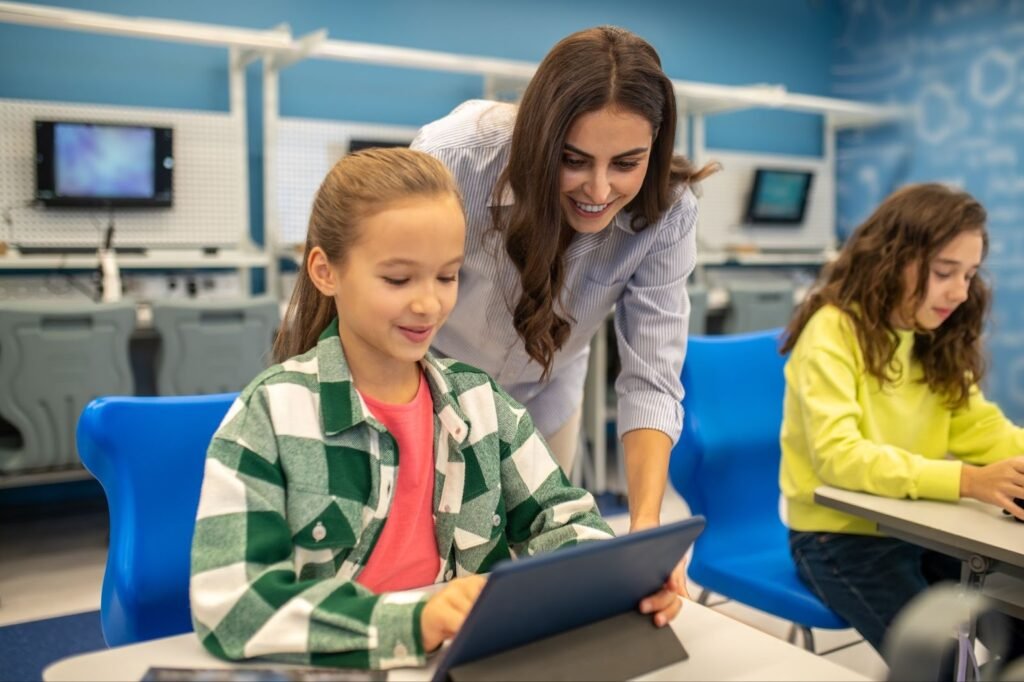
Instructional technology focuses specifically on the integration of tools and methods to enhance teaching effectiveness and learner engagement. It emphasizes aligning technology with instructional strategies to foster critical thinking and problem-solving skills. Conversely, educational technology encompasses a broader range of tools and practices aimed at facilitating learning, including curriculum design, digital literacy, and assessment methods. While both aim to improve educational outcomes, instructional technology is more about the implementation of specific tools, whereas educational technology serves as a framework for transformative educational practices. Exploring these distinctions further sheds light on their unique roles in modern education.
KEY TAKEAWAYS
- Instructional Technology focuses on enhancing teaching methods through specific tools and strategies, while Educational Technology covers a broader spectrum of learning facilitation practices.
- Instructional Technology aims to improve learner engagement and align strategies with educational goals, whereas Educational Technology promotes student autonomy and collaboration.
- Tools in Instructional Technology include digital learning platforms and multimedia presentation tools, while Educational Technology utilizes assessment tools and learning management systems.
- Instructional Technology emphasizes the application of pedagogical strategies for curriculum development, while Educational Technology involves instructional design and transformative practices.
- Both fields integrate technology to enhance learning outcomes, but Instructional Technology is more about direct teaching support, whereas Educational Technology addresses overall educational innovation.
DEFINITION OF INSTRUCTIONAL TECHNOLOGY
Instructional technology can be understood as a systematic approach that integrates various tools and methods to enhance the teaching and learning process. This field encompasses a diverse array of resources, including software applications, multimedia, and interactive platforms, all aimed at improving educational outcomes.
By employing instructional technology, educators can develop and implement pedagogical strategies that are more engaging, effective, and tailored to the needs of diverse learners.
One of the critical aspects of instructional technology is its focus on technology integration within the classroom environment. This integration goes beyond merely using tools; it requires a thoughtful alignment of technology with educational goals.
Successful instructional technology implementation involves understanding how specific technologies can support various pedagogical strategies, such as collaborative learning, personalized instruction, and active engagement.
Moreover, the application of instructional technology fosters an environment that encourages critical thinking, creativity, and problem-solving skills among students. By leveraging technology, teachers can create interactive experiences that stimulate learners’ interests and promote deeper understanding of content.
Ultimately, instructional technology serves as a bridge between traditional teaching methods and modern educational practices. It empowers educators to facilitate learning experiences that are not only efficient but also responsive to the evolving demands of society.
Definition of Educational Technology
Educational technology encompasses a broader spectrum of tools, theories, and practices designed to facilitate learning and improve educational systems as a whole. It is not merely about the tools themselves but involves an extensive approach that includes technology integration, pedagogical strategies, and the development of digital literacy among learners. Educational technology aims to create an enriching environment that enhances learner engagement and fosters collaborative learning.
At its core, educational technology addresses various components that contribute to effective teaching and learning. Here, we present a concise overview of these components:
| Component | Description | Importance |
| Instructional Design | Structuring learning experiences | Guarantees alignment between goals and activities |
| Assessment Methods | Evaluating learner progress | Provides data for tailored instruction |
| Teacher Training | Equipping educators with necessary skills | Crucial for effective technology integration |
Through effective content delivery and the application of learning analytics, educational technology enables educators to adapt their methods to meet diverse learner needs more efficiently and strategically. Additionally, it supports the development of innovative assessment methods that provide insights into student growth and areas for improvement. By focusing on these elements, educational technology serves as a catalyst for transformative educational practices, ultimately benefiting both educators and learners alike. As educational environments evolve, embracing this extensive definition of educational technology is essential for fostering a culture of continuous improvement and lifelong learning.
Core Objectives of Instructional Technology
The core objectives of instructional technology encompass a thorough understanding of its definition and scope, which establishes the foundation for effective implementation. Instructional technology is both the theory and practice of developing, managing and then evaluating the combination of tools, hardware, software and resources to facilitate learning in a variety of environments.
By examining the tools and resources available, educators can enhance their teaching methods and improve learner engagement.
Additionally, the integration of relevant learning theories guarantees that instructional strategies are aligned with the diverse needs of students, ultimately fostering a more effective educational environment.
Definition and Scope
Defining the core objectives of instructional technology involves a thorough examination of its role in enhancing learning experiences. The primary focus lies in creating effective learning environments through the integration of technology. Instructional technology aims to support instructional design by employing pedagogical strategies that foster curriculum development and improve user experience.
A structured approach to understanding these objectives can be illustrated as follows:
| Core Objective | Description | Related Keywords |
| Learning Environments | Support diverse learning settings and styles | Student Engagement, Collaborative Learning |
| Technology Integration | Seamlessly implement tools to enhance instruction | Digital Literacy, Assessment Methods |
| Instructional Design | Develop effective educational strategies | Pedagogical Strategies, Curriculum Development |
Tools and Resources
Instructional technology’s effectiveness hinges on the strategic selection and application of various tools and resources that enhance learning outcomes. Key components include virtual simulations, which provide immersive experiences, allowing learners to engage in scenarios that mirror real-world applications.
Collaborative tools foster communication and teamwork, essential for developing interpersonal skills in digital environments. Adaptive learning technologies are crucial in personalizing educational experiences, tailoring content to individual learners’ needs.
Content management systems streamline the organization and distribution of educational materials, facilitating easy access for both educators and students. Assessment platforms play a significant role in measuring understanding and progress, offering valuable feedback to inform instructional adjustments.
Moreover, interactive resources, such as multimedia presentations and educational games, enhance engagement and retention, while gamification strategies motivate learners through competitive elements. The integration of cloud services guarantees that resources are accessible anytime and anywhere, promoting flexibility in learning.
Ultimately, the thoughtful incorporation of these tools and resources not only enriches the educational experience but also empowers educators to serve their students more effectively, leading to improved learning outcomes and engagement.
Learning Theories Applied
Effective application of tools and resources in instructional technology is deeply rooted in established learning theories that guide the design and implementation of educational experiences. Understanding these theories is crucial for creating effective learning environments that cater to diverse needs.
Constructivist approaches emphasize active engagement, enabling learners to build knowledge through experiences, while behaviorist principles focus on observable outcomes and reinforcement. Educational technology is concerned with how technology enhances the learning process, while instructional technology refers specifically to the technological tools used for instruction.
Cognitive strategies play a pivotal role in enhancing information retention and understanding, providing frameworks for learners to process and organize new information.
Experiential learning enriches the educational landscape by allowing individuals to learn through reflection on doing, consequently fostering deeper engagement.
Social learning theories highlight the importance of collaborative learning, where learners benefit from interactions and shared experiences with peers. This approach aligns with differentiated instruction, which tailors learning experiences to meet varying needs, particularly in adult education settings.
By integrating these learning theories into instructional technology, educators can create dynamic, inclusive, and effective learning environments that empower all learners.
Ultimately, the thoughtful application of these theories guarantees that instructional technology serves its core objective: enhancing educational outcomes through strategic design and implementation.
CORE OBJECTIVES OF EDUCATIONAL TECHNOLOGY
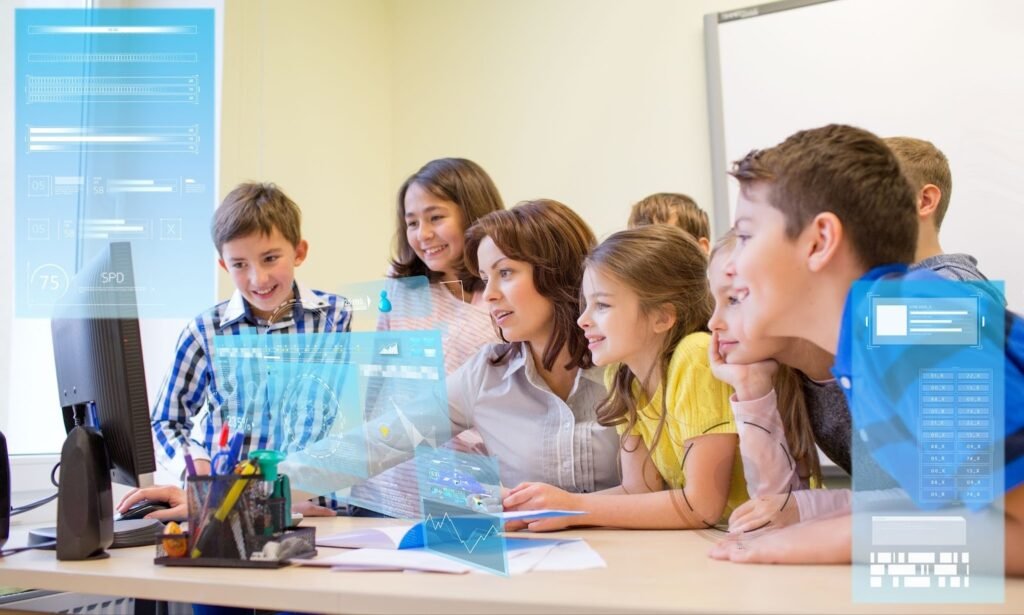
The core objectives of educational technology encompass a range of goals aimed at enhancing the learning experience and improving educational outcomes. Central to these objectives is the promotion of student engagement, which encourages active participation in the learning process. By integrating technology effectively into teaching strategies, educators can create dynamic learning environments that captivate learners and foster deeper understanding.
Another critical goal is to enhance learner autonomy. Educational technology facilitates personalized learning paths, empowering students to take ownership of their education. This autonomy is further supported by the cultivation of digital literacy, equipping learners with essential skills to navigate the digital landscape confidently.
Curriculum enhancement is also a fundamental objective, as educational technology enables the development of more relevant and responsive content. By leveraging instructional design principles, educators can create curricula that not only meet educational standards but also resonate with diverse learners.
Moreover, effective assessment methods are integral to educational technology’s objectives. Technology offers innovative ways to assess student understanding, providing timely feedback that informs both instructional practices and student growth. This alignment of assessment with learning goals guarantees a more cohesive educational experience.
Tools Used in Instructional Technology
In the domain of instructional technology, the selection of tools greatly impacts the effectiveness of teaching and learning processes. Instructional technologists provide a bridge between experts and pupils, something that’s especially important in higher education, where many faculty members come into their positions with no background in education.
Digital learning platforms offer educators the flexibility to create engaging and interactive environments, while multimedia presentation tools enhance content delivery through varied formats.
Understanding how to leverage these technologies is essential for maximizing educational outcomes and meeting diverse learner needs.
Digital Learning Platforms
Digital learning platforms have revolutionized the landscape of instructional technology, providing educators with versatile tools to enhance teaching and learning experiences. These platforms serve as a hub for digital innovation, enabling seamless user engagement through interactive features and accessible content. By prioritizing platform accessibility, they guarantee that learning materials reach a diverse audience, which is crucial for inclusive education.
Key functionalities such as adaptive learning allow for personalized educational pathways, catering to individual student needs. Additionally, robust content creation tools empower educators to design and distribute engaging instructional materials. Data analytics features facilitate informed decision-making, enabling educators to track progress and adjust strategies accordingly.
Moreover, these platforms foster social learning through collaborative tools, encouraging students to engage with one another and share insights. Mobile integration further enhances flexibility, allowing learners to access resources anytime and anywhere.
Fundamentally, digital learning platforms not only streamline learning management but also create dynamic, interactive environments that support holistic educational experiences. As educators embrace these tools, they cultivate an atmosphere of continuous improvement, ultimately benefiting learners and fostering a culture of lifelong learning.
Multimedia Presentation Tools
Multimedia presentation tools play a considerable role in enhancing instructional technology by providing educators with the means to create visually engaging and interactive content. These tools empower teachers to utilize interactive slides and multimedia elements, fostering an environment conducive to audience engagement.
Presentation software, such as PowerPoint or Prezi, facilitates effective content delivery by incorporating video integration, which can greatly enhance comprehension and retention.
Utilizing design principles, educators can craft visually compelling narratives through visual storytelling, ensuring that complex ideas are communicated clearly. Additionally, the integration of feedback mechanisms within these tools allows for real-time audience interaction, enabling instructors to assess understanding and adapt their teaching strategies accordingly.
Accessibility features are increasingly essential in multimedia presentation tools, ensuring that all learners, including those with disabilities, can participate fully in educational experiences. By prioritizing accessibility, educators demonstrate a commitment to inclusivity and equity in learning.
Tools Used in Educational Technology
Educational technology encompasses a diverse array of tools designed to enhance teaching and learning experiences. These tools are essential in creating a dynamic educational environment that fosters engagement and supports varied learning styles. Among these, adaptive software stands out by personalizing learning paths based on individual student needs, ensuring that every learner can progress at their own pace.
Assessment tools play an important role in measuring student understanding and providing timely feedback, and curated instructional materials from the engineering teacher shop can further support educators in designing structured, standards-aligned activities. These tools enable educators to refine their teaching strategies and tailor interventions effectively.
Collaboration platforms facilitate communication and teamwork among students, allowing them to work on projects in real-time, irrespective of geographical barriers. Learning management systems (LMS) act as centralized hubs for course materials, assignments, and tracking progress, simplifying the administrative tasks for educators while enhancing accessibility for students.
In conjunction with virtual classrooms, these systems create an interactive and immersive learning experience that transcends traditional boundaries. Gamification strategies are increasingly employed to motivate learners through game-like elements, making the learning process enjoyable and engaging.
Interactive resources, such as simulations and multimedia content, further enrich the educational experience by providing hands-on opportunities for exploration and discovery. Lastly, mobile applications have revolutionized access to learning materials, enabling students to learn on-the-go.
This flexibility is particularly beneficial for non-traditional learners who balance multiple commitments. Collectively, these tools form a robust framework that empowers educators and enriches the learning journey for students, ultimately fostering a more inclusive educational landscape.
Impact on Learning Outcomes
Frequently, the integration of technology in education has been linked to significant improvements in learning outcomes. This influence can be particularly observed through enhanced pedagogical effectiveness, where educators leverage technology to facilitate more dynamic and interactive instruction.
By employing various technology integration strategies, teachers can create environments that foster greater learner engagement, allowing students to become active participants in their educational journey.
Personalized learning has emerged as a key feature of modern educational frameworks, enabling individualized pathways that cater to diverse learning styles and paces. Effective instructional design, aligned with curriculum objectives, guarantees that technology is not merely an add-on but a fundamental component that enhances skill development.
For instance, adaptive learning platforms can assess student progress in real-time, adjusting content to meet specific needs and thereby optimizing learning experiences.
Furthermore, the implementation of innovative assessment strategies can provide educators with critical insights into student performance, informing necessary adjustments in instructional methods.
This continuous feedback loop strengthens the alignment between curriculum goals and the diverse needs of learners, ultimately reinforcing the long-term benefits of educational technology in improving academic performance and engagement.
RELATED STUDIES ABOUT INSTRUCTIONAL TECHNOLOGY
In conclusion, while instructional technology primarily focuses on the methods and processes for delivering instruction, educational technology encompasses a broader range of tools and practices aimed at enhancing overall educational experiences. A study indicates that schools incorporating educational technology see an improvement in student engagement by up to 30%, highlighting the significant impact such technologies can have on learning outcomes. Emphasizing the unique objectives and tools associated with each domain can lead to more effective educational practices and improved student success.
Finnish University Students’ Satisfaction with E-Learning Outcomes During the COVID-19 Pandemic
- Objective and Background
The COVID-19 pandemic forced a rapid and unprecedented shift to exclusive e-learning in higher education institutions worldwide. Understanding what factors contribute to student satisfaction with e-learning outcomes during such a crisis is critical for improving educational quality and preparedness for future emergencies. This study aimed to identify the antecedent factors influencing Finnish university students’ satisfaction with e-learning outcomes during the pandemic.
The research proposed and tested an integrated model incorporating three sets of factors:
- COVID-19 Related Factors: Awareness of the pandemic, perceived challenges during the pandemic, and the educational institution’s preparedness for distance learning.
- Core E-Learning Factors: Quality of digital communities in e-learning, Information Technology (IT) quality and accessibility, and online course design quality.
- Satisfaction: Students’ perceived satisfaction with e-learning outcomes.
- Methodology
The study employed a quantitative research design using an online survey.
- Participants: Data was collected from university students in Finland between August and October 2020, during a period of pandemic-related school closures. After data cleaning, a final sample of 131 valid responses was used for analysis.
- Measures: The survey instrument used validated scales adapted from prior literature to measure all six constructs in the proposed model.
- Analysis: Data was analyzed using Partial Least Squares Structural Equation Modeling (PLS-SEM) with SmartPLS software. This technique allows for the simultaneous testing of multiple relationships within a complex model. The analysis involved two stages: assessment of the measurement model (reliability and validity) and assessment of the structural model (hypothesis testing).
- Key Findings
The structural model explained a substantial 53% of the variance in students’ satisfaction with e-learning outcomes, indicating the model’s strong explanatory power.
- Direct Effects on Satisfaction: Students’ satisfaction was directly and significantly influenced by:
- Digital Communities in E-Learning (β = 0.42, p < .001): The ability to interact with peers and instructors online was the strongest direct predictor.
- Information Technology (Quality and Accessibility) (β = 0.30, p < .001).
- Course Design Quality (β = 0.17, p < .05).
- Impact of COVID-19 Related Factors: The pandemic context had significant, and often indirect, effects.
- Perceived Challenges had a significant negative direct impact on digital communities, IT, and course design, and a significant negative indirect effect on satisfaction.
- Educational Institutions’ Preparedness had a significant positive impact on IT and course design, and a positive indirect effect on satisfaction.
- Awareness of COVID-19 had a significant positive impact on digital communities and course design, and a positive indirect effect on satisfaction.
- Mediation Effects: The relationship between all three COVID-19 related factors and student satisfaction was significantly mediated by the core e-learning factors (digital communities, IT, course design). This means the pandemic’s context influenced satisfaction through its impact on these core educational and technological elements.
- Gender Differences (Multigroup Analysis): The study found significant gender differences.
- For female students, the negative impact of perceived challenges on digital communities was particularly strong.
- For male students, course design quality was a more significant direct predictor of satisfaction.
- Conclusions and Implications
The study concludes that student satisfaction with e-learning in a crisis context is a complex outcome shaped by a combination of pandemic-related factors and core pedagogical and technological elements.
- Theoretical Contribution: The research provides a robust, empirically tested model that integrates crisis-specific factors with established e-learning success factors. It demonstrates that pandemic-related challenges and institutional preparedness do not just have a direct effect, but operate through their influence on digital communities, IT infrastructure, and course design.
- Practical Implications for Higher Education Institutions:
- Invest in IT Infrastructure: Reliable and accessible IT is a foundational prerequisite for e-learning success.
- Prioritize Course Design: Instructors need support and training to design high-quality online courses with clear objectives, relevant content, and an engaging layout.
- Foster Digital Communities: Institutions must actively facilitate the creation of online communities where students can interact, collaborate, and feel connected to their peers and teachers. This was the single most important factor for satisfaction.
- Develop Blended Learning Strategies: The findings support a move toward blended learning models that combine the strengths of online and in-person education, ensuring institutional preparedness for future emergencies.
- Gender-Sensitive Approaches: Recognizing that male and female students may respond differently to online learning environments can help in designing more inclusive and effective support strategies.
| REFERENCE: Shahrokh Nikou, Ilia Maslov, Finnish university students’ satisfaction with e-learning outcomes during the COVID-19 pandemic, International Journal of Educational Management, Volume 37, Issue 1, 2022, Pages 1-21, ISSN 0951-354X, https://doi.org/10.1108/IJEM-04-2022-0166. (https://www.sciencedirect.com/science/article/pii/S0951354X22000722) |
Unveiling the Path to Sustainable Online Learning: Addressing Challenges and Proposing Solutions in Pakistan
- Objective and Background
The COVID-19 pandemic forced a rapid and massive shift to online learning in higher education worldwide, including Pakistan. However, this transition often revealed a fundamental problem: teachers were simply transplanting their traditional, lecture-based, face-to-face courses into a digital format. This approach fails to leverage the interactive potential of technology and does not foster the deep, meaningful learning required for students to thrive in the 21st century. This issue is critical in Pakistan, where high youth unemployment is linked to a lack of higher-order thinking skills among graduates.
This study addresses the central question: What pedagogy is required for online learning to be sustainable? The goal is to move beyond emergency remote teaching to a model of online education that genuinely develops students’ intellectual, social, and emotional capacities, aligning with Sustainable Development Goal 4 (SDG 4) for quality education.
- Methodology
The study employed a dual-method approach, combining a systematic literature review with reflective portfolio analysis.
- Systematic Literature Review: Following PRISMA guidelines, the researchers searched major databases (Google Scholar, Scopus, Web of Science, etc.) for articles published between January 2017 and January 2023. The search focused on studies related to teachers’ pedagogy, online learning challenges, and higher education in Pakistan. From an initial pool of 289 articles, 131 were selected for full review after screening for relevance and quality.
- Reflective Portfolio Analysis: The first author, with over two decades of teaching experience, analyzed personal reflective entries from their course portfolios. This auto-ethnographic element provided deep, qualitative insights into the process of implementing and reflecting on interactive teaching strategies in an online environment, bridging the gap between theory and practice.
- Key Findings
The synthesis of the literature and reflective practice revealed a significant gap between current practice and the requirements for sustainable online learning.
- The Core Problem: “Pandemic Pedagogy” as a Stopgap: The review confirmed that in Pakistan, online learning during the pandemic was largely a replication of face-to-face teaching. Students reported a decline in communication, motivation, and engagement, and perceived teachers as lacking empathy. This indicates that the shift was technological, not pedagogical.
- Proposed Pedagogical Shift for Deep Learning: To make online learning sustainable, teachers must move from a transmission model to an interactive, student-centered model that promotes deep learning. The study, grounded in the author’s reflective practice, identifies five key strategies:
- Opening Discussions: Co-designing the course by involving students in reviewing the syllabus, learning objectives, and assessment methods. This builds ownership and transparency.
- Interactive Lectures: Moving beyond passive listening by incorporating pre-readings, collaborative analysis of videos or cases, question boxes, and dedicated Q&A sessions.
- Collaborative Tasks and Dialogue: Using group work, project-based learning, and case studies to develop critical thinking, communication, and teamwork skills.
- Encouraging Self-Reflection: Guiding students to reflect on their learning processes, difficulties, and achievements to build metacognitive awareness and a sense of ownership.
- Integrating Formative Feedback: Providing timely, specific, and constructive feedback that focuses on both intellectual growth and emotional support, helping students close the gap between current and desired performance.
- Teacher Development is the Linchpin: The study concludes that technology alone is insufficient. Sustainable online learning requires a fundamental shift in teachers’ pedagogical insights. This necessitates holistic, ongoing faculty development programs that build teachers’ confidence, commitment, and skills in designing and facilitating active online learning.
- Conclusions and Implications
The paper concludes that without a revival of pedagogy, online learning will remain an instrumental and ineffective substitute for in-person education, failing to equip students with the skills needed for economic and social contribution.
- For Higher Education Institutions: The shift to sustainable online learning requires a culture change. Institutions must move beyond providing just technical support and invest in creating spaces for collaborative professional learning where teachers can observe each other, share best practices, and engage in informed debate about the quality of their instruction.
- For Policymakers: National education policies should prioritize and fund long-term, embedded professional development for university faculty focused on pedagogical innovation for digital environments, not just digital literacy. This is essential for achieving SDG 4.
- For Educators: The study encourages teachers to view online teaching not as a delivery mechanism, but as a new opportunity to design learning experiences that are interactive, reflective, and deeply engaging. The five strategies outlined provide a practical starting point for this transformation.
| REFERENCE: Razia Fakir Mohammad, Preeta Hinduja, Sohni Siddiqui, Unveiling the path to sustainable online learning: addressing challenges and proposing solutions in Pakistan, International Journal of Educational Management, Volume 38, Issue 1, 2023, Pages 136-157, ISSN 0951-354X, https://doi.org/10.1108/IJEM-07-2023-0334. (https://www.sciencedirect.com/science/article/pii/S0951354X23002545) |
Technology Use and Employee Well-Being Among Teachers During Covid-19: Moderating Effects of School Support and Detachment from Work
- Objective and Background
The COVID-19 pandemic forced a rapid and intense shift to online and hybrid teaching, placing unprecedented technological demands on teachers. This study investigated how two specific technology-related job demands—technostrain (negative feelings like anxiety and fatigue from technology use) and ICT availability demands (the pressure to be constantly available via technology outside work hours)—affected teacher well-being, specifically burnout and work engagement.
Crucially, the research examined whether two resources could buffer or mitigate these negative effects:
- Psychological Detachment: A personal resource referring to the ability to mentally switch off from work during leisure time.
- School Support: A job resource encompassing the guidance, structures, and organizational support provided by the school to help teachers manage their work during the pandemic.
- Methodology
The study employed a quantitative, cross-sectional design.
- Participants: Data were collected via an online questionnaire from 323 Finnish comprehensive school teachers between December 2020 and February 2021. The sample was 85% female, with a mean age of 47.7 years.
- Measures: The survey used validated scales to measure:
- Job Demands: Technostrain (4 items) and ICT availability demands (4 items).
- Resources: Psychological detachment (3 items) and school support (3 items).
- Well-Being: Work engagement (UWES-3 scale) and burnout (BBI-9 scale, measuring emotional exhaustion, cynicism, and inadequacy).
- Analysis: Hierarchical multiple regression analyses were conducted to test the main effects of job demands on well-being and the moderating effects of detachment and school support. Significant interactions were probed with simple slope analysis.
- Key Findings
The results confirmed that technology-related demands were significant predictors of teacher well-being, and that both personal and job resources played important buffering roles.
- Main Effects of Technology Demands:
- Technostrain was strongly associated with higher burnout across all dimensions (emotional exhaustion, cynicism, inadequacy) and lower work engagement. Its effects were stronger than those of ICT availability demands.
- ICT availability demands were positively associated with emotional exhaustion and a sense of inadequacy, but not with cynicism or work engagement.
- Buffering Role of Psychological Detachment:
- Detachment significantly moderated the relationship between technostrain and two burnout dimensions. For teachers experiencing high technostrain, those who were able to detach from work had lower levels of cynicism and inadequacy than those with low detachment. Detachment did not buffer the effects of ICT availability demands.
- Buffering Role of School Support:
- School support significantly moderated the relationship between technostrain and burnout. For teachers with high technostrain, those who perceived strong school support reported lower emotional exhaustion and cynicism.
- Interestingly, school support moderated the relationship between ICT availability demands and work engagement in an unexpected way. When availability demands were high, teachers with high school support reported higher work engagement, suggesting that in a supportive context, these demands might be perceived as part of a collaborative effort rather than just a burden.
- Conclusions and Implications
The study concludes that the negative impact of technology on teacher well-being during the pandemic was significant, but it was not inevitable. Both individual recovery strategies and organizational support systems are critical protective factors.
- Theoretical Contribution: The research provides empirical support for the Job Demands-Resources (JD-R) model and the Stressor-Detachment model in the context of pandemic-induced technology use. It highlights that different types of technology demands (affective strain vs. availability pressure) may require different buffering resources.
- Practical Implications for Schools and Policymakers:
- Support Teacher Detachment: Schools should actively cultivate a culture that respects teachers’ non-work time. This includes setting clear expectations about after-hours communication and encouraging practices that help teachers mentally switch off.
- Provide Proactive School Support: Effective support goes beyond just providing hardware. It includes clear guidelines, coordination of online learning, collaborative knowledge-sharing among staff, and a positive climate that helps teachers feel they are not facing digital challenges alone.
- Develop Digital Competence: Providing training and time for teachers to build technological self-efficacy can reduce the initial feelings of technostrain, making the integration of technology less burdensome.
- Holistic Approach: Supporting teacher well-being in a digitalizing world requires a dual focus: helping individuals build recovery skills (like detachment) and ensuring the school organization provides the structural and social support needed to navigate new demands.
| REFERENCE: Sanna Nuutinen, Laura Bordi, Technology use and employee well-being among teachers during Covid-19: moderating effects of school support and detachment from work, International Journal of Educational Management, Volume 39, Issue 8, 2025, Pages 57-76, ISSN 0951-354X, https://doi.org/10.1108/IJEM-04-2023-0211. (https://www.sciencedirect.com/science/article/pii/S0951354X24001017) |
