

Parents play a crucial role in addressing bullying in schools by being observant and recognizing early signs of distress in their children. Open communication fosters an environment where children feel safe to share their experiences and emotions. By modeling empathy and kindness at home, parents equip their children with the tools to navigate social challenges. Additionally, actively engaging with educators and advocating for effective school policies can enhance overall student safety. Building a supportive home environment fosters resilience and confidence in children, which is fundamental for addressing bullying effectively. Exploring these strategies can further empower parents in their important role.
KEY TAKEAWAYS
- Parents should recognize signs of bullying, including behavioral changes and emotional distress, to address issues early.
- Establish open communication by creating a safe space for children to share their thoughts and feelings about bullying.
- Foster empathy at home through discussions about emotions and modeling kind behavior to help children understand others’ perspectives.
- Actively engage with school officials and participate in meetings to advocate for effective anti-bullying policies and collaborate on solutions.
- Provide emotional support by validating children’s feelings and encouraging them to express their experiences without fear of judgment.
RECOGNIZING SIGNS OF BULLYING
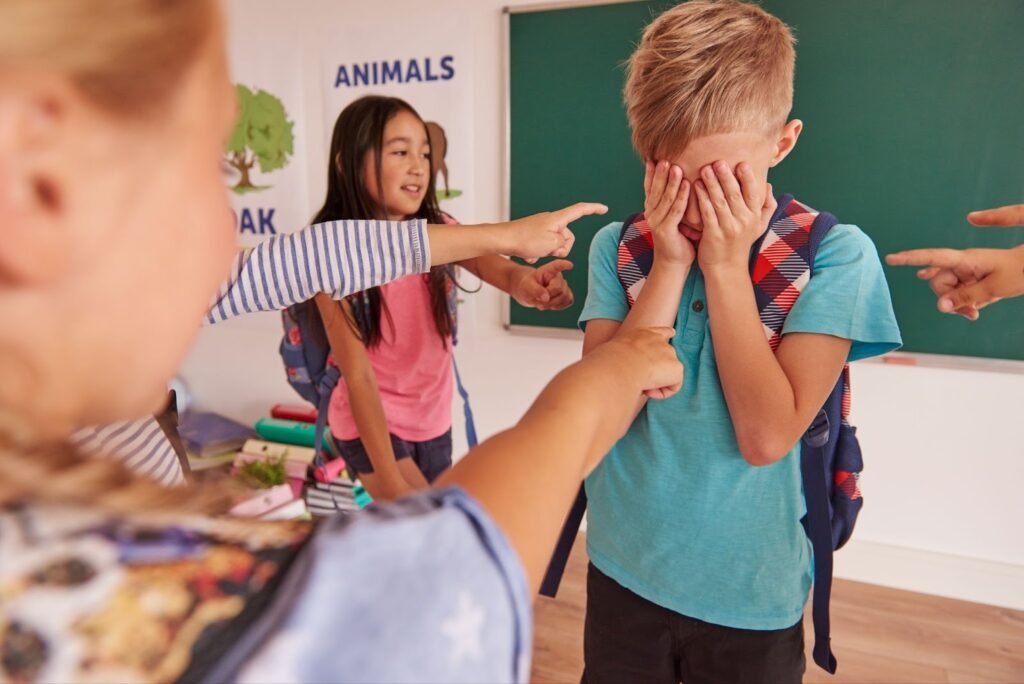
Recognizing the signs of bullying is an important responsibility for parents, as early detection can greatly mitigate the emotional and psychological impact on children. Identifying bullying is often nuanced, requiring parents to be attentive to both behavioral changes and emotional signals. Common signs of distress may include sudden changes in mood, withdrawal from social interactions, or a decline in academic performance.
Parents should remain vigilant to physical indicators such as unexplained injuries or lost belongings, which can also signal underlying bullying situations. A child who frequently expresses feelings of sadness or anxiety may be experiencing the effects of bullying, whether verbal, physical, or cyber in nature. It is essential for parents to approach these observations with empathy, creating a safe space for their children to share their experiences.
Additionally, changes in sleeping or eating patterns can be telltale signs of distress. Children may express reluctance to attend school or participate in activities they once enjoyed, indicating possible bullying scenarios that require intervention.
It is important for parents to recognize that these behaviors may stem from fear or shame associated with bullying rather than mere childhood whims. Kids who bully use their power—such as physical strength, access to embarrassing information, or popularity—to control or harm others. Power imbalances can change over time and in different situations, even if they involve the same people.
Encouraging Open Communication
Effective communication serves as a cornerstone in fostering a supportive environment for children, particularly when addressing sensitive topics like bullying. Parents have a crucial role in creating an atmosphere where children feel safe to express their thoughts and emotions. By encouraging open communication, parents can empower their children to share their experiences, whether they are perpetrators, victims, or witnesses of bullying.
To facilitate this dialogue, parents should practice active listening. This involves not only hearing the words spoken by their children but also understanding the emotions behind those words. By responding with empathy and validating their feelings, parents can establish trust and encourage children to speak openly about their concerns.
It is essential that children perceive their home as a safe space where they can share their fears without the fear of judgment or reprimand. Creating these safe spaces involves setting aside dedicated time for conversations, free from distractions. Engaging in regular discussions about school life, friendships, and social dynamics can provide valuable opportunities for children to open up about bullying or related issues.
Moreover, parents should reassure their children that they are always available to listen, reinforcing the idea that their concerns will be taken seriously. Ultimately, fostering open communication is a proactive approach that not only helps in addressing bullying but also strengthens the parent-child bond, equipping children with the confidence to navigate their social environments more effectively.
Building Empathy at Home
Building empathy at home is essential for fostering emotional understanding and resilience in children. Indirect bullying is mainly verbal and is experienced frequently in schools. An example of such behavior would be a student spreading false information about another student with the intent to cause humiliation.
By encouraging open conversations about feelings and experiences, parents can help their children recognize and appreciate the perspectives of others.
Additionally, modeling kind behavior in everyday interactions reinforces the importance of empathy and sets a powerful example for children to follow.
Teaching Emotional Understanding
Fostering emotional understanding within the home is essential for equipping children with the empathy needed to address bullying. By nurturing emotional literacy, parents can help children recognize and articulate their feelings, as well as those of others. This foundational skill not only aids in conflict resolution but also promotes a culture of kindness and respect.
To effectively teach emotional understanding, parents can consider the following strategies:
- Model Empathy: Demonstrate empathetic behavior in everyday interactions, showing how to acknowledge and validate emotions.
- Encourage Emotional Expression: Create a safe space for children to express their feelings, fostering open dialogue about emotions.
- Use Literature and Media: Engage with stories that explore emotional themes, prompting discussions about characters’ feelings and choices.
- Practice Role-Playing: Use role-playing scenarios to help children navigate social situations and understand different perspectives.
- Teach Problem-Solving Skills: Equip children with the tools to resolve conflicts amicably, reinforcing the importance of empathy in finding common ground.
Encouraging Open Conversations
How can parents create an environment where children feel comfortable discussing their thoughts and feelings about bullying? Establishing open conversations is essential, as it fosters empathy and understanding.
Parents can create safe spaces at home where children feel secure expressing their emotions without fear of judgment. This can be achieved by engaging in regular dialogues about their day-to-day experiences, encouraging them to share any incidents related to bullying.
Active listening is a vital skill that parents must develop. By attentively listening to their children, parents validate their feelings and demonstrate that their concerns matter. This not only helps in identifying potential bullying situations but also reassures children that they are supported and understood.
Parents should ask open-ended questions, allowing children to elaborate on their experiences, and respond with empathy to promote a deeper connection.
Additionally, modeling vulnerability by sharing their own experiences can help children feel more at ease. When parents demonstrate that discussing difficult topics is not only acceptable but encouraged, they cultivate an environment that prioritizes emotional well-being and resilience.
Ultimately, these open conversations can empower children to address bullying proactively, both for themselves and their peers.
Modeling Kind Behavior
At the heart of nurturing empathy in children lies the importance of modeling kind behavior within the home. Parents serve as the primary role models for their children, and their actions greatly influence how children perceive and interact with others.
By demonstrating compassion and understanding, parents can instill values that combat bullying and promote a culture of kindness.
To effectively cultivate an environment of empathy, consider the following practices:
- Demonstrate Active Listening: Show your child the value of listening to others’ feelings and concerns.
- Engage in Acts of Kindness: Participate in community service or simple acts of kindness as a family, reinforcing the impact of kind behavior.
- Encourage Empathetic Discussions: Discuss feelings and perspectives around various situations, allowing children to express themselves and understand others.
- Utilize Positive Reinforcement: Acknowledge and praise instances of kind behavior in your child to encourage continued empathy.
- Model Conflict Resolution: Demonstrate healthy ways to resolve conflicts, emphasizing understanding and respect.
Supporting Your Child Emotionally
Steering through the emotional landscape of bullying can be intimidating for children, making it essential for parents to provide robust emotional support during such turbulent times.
Children facing bullying often experience a range of emotions, including fear, anxiety, and helplessness. As parents, understanding these feelings is the first step toward fostering resilience in your child.
Active listening plays a significant role in providing emotional support. By creating an open dialogue, parents can help children articulate their experiences and feelings without fear of judgment. This approach not only validates their emotions but also reinforces the idea that their concerns are taken seriously.
Engaging in conversations about bullying should be approached with sensitivity, allowing children to express their thoughts freely.
Additionally, it’s important for parents to reassure their children that they are not alone in this struggle. Sharing relatable anecdotes can help children feel understood, thereby alleviating feelings of isolation.
Encouraging children to develop coping strategies, such as practicing mindfulness or engaging in creative outlets, can empower them to manage their emotions effectively.
Ultimately, the goal is to cultivate an environment where children feel safe, supported, and equipped to navigate their emotional challenges.
By actively listening and providing thoughtful emotional support, parents can play a significant role in helping their children not only cope with bullying but also develop the emotional intelligence necessary for future interpersonal challenges.
Through this nurturing approach, parents can foster resilience and confidence in their children amidst adversity.

ADVOCATING FOR SCHOOL POLICIES
Building emotional resilience in children is only one aspect of addressing bullying; advocacy for effective school policies plays an essential role in creating a safe learning environment.
Parents can greatly influence policy development by actively engaging with school boards, administrators, and educators—including the engineering teacher—to ensure that bullying prevention measures are inclusive and consistently enforced across all subject areas. Advocacy strategies can empower parents to be change agents within their educational communities.
To effectively advocate for school policies addressing bullying, parents can consider the following strategies:
- Research Existing Policies: Understand current school policies on bullying, evaluating their strengths and weaknesses.
- Engage in Dialogue: Initiate conversations with school officials to express concerns and suggest improvements based on evidence-based practices.
- Build Alliances: Collaborate with other parents, teachers, and community members to create a unified voice advocating for policy change.
- Participate in Committees: Join school committees focused on student welfare, providing insights into the lived experiences of families affected by bullying.
- Raise Awareness: Organize workshops or informational sessions that educate parents and students about the importance of effective anti-bullying policies.
Collaborating With Teachers and Staff
Effective collaboration between parents and school staff is essential in addressing bullying, as it fosters open communication channels that can lead to timely interventions. The percentages of adolescents ages 13-17 who have experienced cyberbullying in their lifetimes have more than doubled (18.8% to 54.6%) from 2007-2023, and continues to increase with 58% in 2025.
By actively attending school meetings and sharing concerns, parents can contribute valuable insights that help educators understand the dynamics of bullying in their specific context.
This partnership not only empowers parents but also reinforces a unified approach to creating a safe and supportive learning environment for all students.
Open Communication Channels
Fostering open communication channels between parents and school staff is crucial in addressing bullying effectively. By establishing a collaborative environment, parents can work closely with educators to guarantee the emotional and social well-being of their children.
Creating safe spaces where students feel comfortable discussing their experiences is essential for promoting transparency and trust.
To facilitate this partnership, parents and school staff can focus on the following strategies:
- Active listening: Take the time to understand each other’s perspectives and concerns.
- Regular check-ins: Schedule consistent meetings to discuss student progress and any emerging issues.
- Support networks: Create groups for parents and staff to share resources and strategies for dealing with bullying.
- Training opportunities: Attend workshops together to learn about effective bullying prevention and intervention methods.
- Feedback mechanisms: Establish ways for parents to provide input on school policies and practices related to bullying.
Attend School Meetings
Participating in school meetings serves as an essential avenue for parents to collaborate with teachers and staff in addressing bullying. By attending these meetings, parents demonstrate their commitment to fostering a safe and supportive educational environment. This level of parent involvement is important, as it allows for the exchange of valuable insights regarding students’ experiences and the dynamics within the school community.
Meeting participation enables parents to better understand the measures taken by schools to combat bullying and to contribute their perspectives on effective strategies. It is an opportunity to build partnerships with educators, ensuring that everyone is aligned in their commitment to student well-being.
Additionally, these gatherings often provide a platform for discussing the resources available to both students and families, which can enhance support systems in place.
Informed parents can advocate for their children more effectively when they are engaged in school discussions. By actively participating in meetings, parents not only empower themselves but also reinforce the message that addressing bullying is a collective responsibility, requiring the commitment of the entire school community.
This collaborative approach is crucial for creating a nurturing environment where all students can thrive.
Share Concerns Actively
A proactive approach to sharing concerns with teachers and staff can greatly enhance the school’s response to bullying. Parent involvement is essential in fostering an environment where students feel safe and supported.
By engaging collaboratively with educators, parents can contribute to a more effective anti-bullying strategy.
To facilitate this proactive engagement, consider the following strategies:
- Open Communication: Maintain a consistent dialogue with teachers about your child’s experiences and observations.
- Document Incidents: Keep a detailed record of bullying incidents, including dates, times, and witnesses, to provide clear examples to staff.
- Attend Workshops: Participate in school-hosted workshops on bullying to better understand school policies and resources. Attending workshops and informational sessions that address bullying and other current issues in education can further equip parents with the knowledge and tools needed to advocate effectively for their children.
- Encourage Inclusivity: Advocate for programs that promote inclusivity and empathy within the school community.
- Follow Up: After reporting concerns, regularly check in with teachers and staff to monitor the situation’s progress.
Fostering Resilience and Confidence
Building resilience and confidence in children is an essential component of preventing and addressing bullying. When children possess a strong sense of self-worth, they are better equipped to navigate social challenges and confront adversities, including bullying situations. Parents play a significant role in fostering these qualities, as their support and guidance can greatly impact a child’s emotional development.
Engaging in self-esteem activities is one effective method for parents to nurture resilience. These activities can range from encouraging children to pursue their interests and talents to fostering an environment where they feel safe expressing their thoughts and feelings. By highlighting their achievements, no matter how small, parents can employ positive reinforcement to build a child’s confidence, reinforcing the notion that they are valued and capable individuals. Additionally, parents can seek out structured resources and activities, such as those available through the engineering teacher shop, to support social-emotional learning and reinforce positive peer interactions at home.
Furthermore, cultivating open lines of communication enables children to share their experiences, fears, and triumphs. When children feel heard and understood, they are more likely to develop a robust sense of self and a belief in their ability to overcome challenges. This emotional foundation not only empowers them to stand up against bullying but also encourages empathy towards others, promoting a culture of kindness.
Ultimately, fostering resilience and confidence is not merely about protecting children from bullying; it is about equipping them with the tools necessary for lifelong success. By actively engaging in their emotional well-being, parents can help their children thrive in the face of adversity, creating a ripple effect that extends beyond the school environment.
RELATED STUDIES ABOUT BULLYING IN SCHOOLS
In addressing bullying in schools, the involvement of parents serves as a vital cornerstone. By recognizing signs, fostering open communication, and advocating for supportive policies, parents can create a protective shield around their children. Building empathy and resilience at home nurtures a foundation for emotional strength. Ultimately, a collaborative effort between families and educational institutions can transform the landscape of bullying, turning a potential battleground into a safe haven for growth and development.
A Study On Sleep Quality Under The Shadow Of School Bullying: The Interwoven Effects Of Depressed Mood, Low Self-Esteem, And Negative Parenting Practices
- Overview and Purpose
Sleep disorders are a significant public health concern among adolescents, impacting their physical health, mental well-being, and academic performance. A growing body of evidence links negative life experiences, such as school bullying, to poor sleep. However, the complex psychological and social mechanisms explaining this link are not fully understood.
This study investigates the relationship between school bullying and sleep disorders in Chinese adolescents. It proposes and tests a theoretical model to explain how bullying leads to poor sleep, focusing on the mediating roles of three key factors: depressed mood, low self-esteem, and negative parenting practices. The study aims to provide a deeper understanding of these pathways to inform more effective prevention and intervention strategies.
- Theoretical Background and Hypotheses
The research is grounded in established theories linking life events, emotional states, self-perception, and family environment to health outcomes. The central premise is that school bullying does not directly cause sleep disorders in a simple way. Instead, its impact is channeled through a cascade of psychological and familial consequences.
The study tested seven specific hypotheses (H1-H7) proposing direct and indirect pathways:
- H1: School bullying has a direct positive impact on sleep disorders.
- H2-H4: Depressed mood, low self-esteem, and negative parenting practices each individually mediate the relationship between bullying and sleep disorders.
- H5-H7: These three factors work together in serial mediation, meaning bullying triggers one factor (e.g., depressed mood), which then triggers another (e.g., low self-esteem), which ultimately leads to sleep disorders. All possible sequential combinations of the three mediators were tested.
- Methodology
- Participants: A large sample of 4,483 middle and high school students from Anhui Province, China, aged 11-20 (mean age 15.19). The sample was 58.3% male and 41.7% female.
- Design: A cross-sectional study using anonymous questionnaires.
- Measures: Students completed a battery of validated Chinese-language scales to assess:
- School Bullying: OLWEUS Bully/Victim Questionnaire.
- Depressed Mood: Depression subscale of the Depression-Anxiety-Stress Scale (DASS-21).
- Self-Esteem: Rosenberg Self-Esteem Scale (RSES).
- Sleep Quality: Pittsburgh Sleep Quality Index (PSQI).
- Parenting Practices: Short Egna Minnen av Barndoms Uppfostran (S-EMBU), focusing on negative styles (rejection, overprotection).
- Analysis: Statistical analyses included correlation, multivariate logistic regression, and mediation analysis using Hayes’ PROCESS macro (Model 6) with bootstrap sampling to test the significance of the indirect effects.
- Major Findings
The results strongly supported the theoretical model, confirming that the impact of school bullying on sleep is complex and multi-layered.
- Direct Effect Confirmed (H1): School bullying was a significant, direct predictor of sleep disorders. Students who were bullied were more likely to report poor sleep quality.
- Individual Mediation Confirmed (H2-H4): Depressed mood, low self-esteem, and negative parenting practices were each found to be significant individual mediators. Bullying leads to increased depressed mood and lower self-esteem, and can also contribute to more negative parenting at home. Each of these factors, in turn, independently contributes to sleep disorders.
- Serial Mediation Confirmed (H5-H7): The most novel finding was the confirmation of three complex, sequential pathways through which bullying affects sleep. These pathways show the “interwoven” nature of the problems:
- Bullying → Depressed Mood → Low Self-Esteem → Sleep Disorder: Bullying leads to feelings of depression, which erodes a student’s self-worth, ultimately disrupting their sleep.
- Bullying → Depressed Mood → Negative Parenting → Sleep Disorder: The emotional distress caused by bullying can alter family dynamics, leading to more negative interactions with parents (or parental responses), which then harms the adolescent’s sleep.
- Bullying → Low Self-Esteem → Negative Parenting → Sleep Disorder: Bullying damages a student’s self-esteem, which may elicit more negative or critical parenting, further contributing to sleep problems.
- Effect Sizes: The total effect of bullying on sleep disorders was substantial. The largest indirect pathway was through depressed mood alone, accounting for over 43% of the total effect. The serial mediation pathways, while smaller, reveal critical insights into the cascading nature of the problems.
- Implications for Practice
The findings provide a clear roadmap for multi-level interventions.
- School-Based Mental Health Support: Schools must prioritize mental health education and provide counseling services that teach students healthy coping strategies for managing depressive emotions (e.g., relaxation techniques, emotion regulation, problem-solving skills).
- Bullying Prevention and Intervention: Strict anti-bullying policies, behavioral monitoring, and prompt, supportive interventions for victims are essential first steps. Ensuring victims receive psychological support can prevent the downstream effects on mood and self-esteem.
- Promoting Self-Esteem: Programs that build resilience and self-worth in adolescents can act as a buffer, reducing the likelihood that bullying will lead to depression and sleep problems.
- Family Engagement: The results highlight the critical role of the family. Interventions should include a family component, educating parents about the potential impact of their child’s bullying experiences and promoting warm, supportive, and positive parenting practices. A negative home environment can exacerbate the problem, while a supportive one can be protective.
- Conclusion
This large-scale study provides strong evidence that school bullying harms adolescent sleep quality through a cascade of negative effects on mood, self-esteem, and family dynamics. It moves beyond a simple direct-effect model to demonstrate the “interwoven” nature of these psychological and social factors. The findings underscore the need for a holistic, multi-pronged approach to intervention that includes school-based mental health support, bullying prevention, programs to boost self-esteem, and family-focused strategies to foster positive parenting. Addressing bullying is not just about stopping a behavior; it is about safeguarding the entire ecosystem of a child’s mental and physical health.
| REFERENCE: Kai Qi, Long Hua, Jia-ni Tong, Jia-jie Xiong, Zhi-yin Pan, Ning Li, Yue Yu, Miao Xu, Jia-jing Zhao, Wei-wei Chang, Zheng-mei Fang, Li-ying Wen, Li-jun Zhu, Yan Chen, Ying-shui Yao, Yue-long Jin, A study on sleep quality under the shadow of school bullying: The interwoven effects of depressed mood, low self-esteem, and negative parenting practices, Acta Psychologica, Volume 253, 2025, 104717, ISSN 0001-6918, https://doi.org/10.1016/j.actpsy.2025.104717. (https://www.sciencedirect.com/science/article/pii/S0001691825000307) |
Supportive School Strategies For Sexually And Gender Diverse Students: A Meta-Analysis Of The Associations With Bullying-Victimization Experiences And Feelings Of School Safety
- Overview and Purpose
Sexually and gender diverse (SGD) students—including those who identify as lesbian, gay, bisexual, transgender, queer, or otherwise non-cisgender/heterosexual—consistently report higher rates of bullying-victimization and lower feelings of safety at school compared to their heterosexual and cisgender peers. In response, many schools have implemented specific strategies to address these disparities. However, the overall effectiveness of these strategies and the extent to which they benefit all students equitably has not been systematically synthesized.
This study presents the first comprehensive meta-analysis to examine the associations between four key LGBTQ-targeted school-based strategies and two critical student outcomes: bullying-victimization experiences and feelings of school safety. The strategies examined are: (1) enumerated anti-bullying policies (explicitly protecting based on sexual orientation/gender identity), (2) inclusive curriculum (integrating LGBTQ topics and history), (3) school-staff training on LGBTQ issues, and (4) Gender and Sexuality Alliances (GSAs) (student-led clubs). The study also investigated whether these associations differ based on student characteristics (e.g., sexual orientation, gender identity, race/ethnicity) and study methodologies.
- Methodology
- Search and Selection: A systematic search of eight electronic databases and grey literature (e.g., dissertations, reports) was conducted, yielding 26 unique studies (with a total combined sample of over 1.3 million students) that met the inclusion criteria.
- Data Analysis: A multivariate meta-analytic model was used to account for multiple, dependent effect sizes within studies. An approximated variance-covariance matrix was constructed to handle this dependency. Moderator analyses were conducted to explore the role of sample characteristics (e.g., percentage of SGD students, students of color) and study characteristics (e.g., data collection method, publication year, peer-review status). Sensitivity analyses and tests for publication bias were also performed.
- Major Findings
The meta-analysis revealed that LGBTQ-targeted school strategies are significantly, though modestly, associated with positive student outcomes. However, the benefits are not uniform across all student groups.
- Overall Effectiveness: The presence of enumerated policies, inclusive curriculum, and GSAs was each associated with lower levels of bullying-victimization and higher feelings of school safety for students overall. (Notably, only one study on school-staff training met the inclusion criteria, preventing a meta-analysis of its effects.)
- Who Benefits Most? (Moderator Analyses):
- SGD Students Benefit More: The associations between inclusive curriculum and GSAs with lower bullying-victimization were stronger for sexually and gender diverse students than for their heterosexual and cisgender peers. This suggests these strategies are particularly effective in reducing the disparities they are designed to address.
- Students of Color Benefit Less: A concerning and consistent finding was that the positive associations of enumerated policies, inclusive curriculum, and GSAs with school safety and lower victimization were significantly weaker for students of color. This indicates that these strategies, in their current forms, may not be adequately addressing the intersecting forms of discrimination faced by LGBTQ+ students of color.
- An Exception: GSAs were an exception to this pattern, showing a stronger association with reduced bullying-victimization for students of color.
- Methodological Differences Matter:
- Data Source: Studies that assessed a strategy’s presence through student surveys (reflecting student awareness) found stronger associations than those using administrative data or staff reports, highlighting the importance of strategy visibility to students.
- Data Collection Location: Studies that collected data in schools (vs. online) showed stronger associations, likely due to better control over sample validity.
- Publication Status: Peer-reviewed studies showed smaller and more variable effect sizes than non-peer-reviewed reports, suggesting some degree of publication bias or a tendency for peer-reviewed work to examine more complex, disaggregated outcomes.
- Implications for Practice
The findings offer clear, evidence-based guidance for educators, school administrators, and policymakers.
- Implement a Comprehensive Approach: Schools should not rely on a single strategy. The modest effect sizes for individual strategies suggest that a combination of enumerated policies, inclusive curriculum, and active GSAs is likely needed to create a substantially safer and more supportive school climate.
- Ensure Strategies are Visible and Known: A strategy is only as effective as students’ awareness of it. Schools must actively communicate the existence and purpose of their anti-bullying policies, inclusive lessons, and GSAs to the entire student body.
- Adopt an Intersectional Lens: The finding that students of color benefit less is a critical call to action. Schools and curriculum developers must critically examine whether their LGBTQ-inclusive strategies adequately address the experiences of students with multiple marginalized identities. Efforts should be made to ensure that resources and support are culturally responsive and explicitly anti-racist.
- Address the Gap in Teacher Training: The near-total absence of research on school-staff training is a significant gap. Given that teachers are on the front lines of implementing policy and curriculum and intervening in bullying, understanding what constitutes effective training is a priority for both practice and future research.
- Conclusion
This meta-analysis provides robust evidence that school-based strategies targeting LGBTQ issues are associated with reduced bullying and increased safety for students, particularly for the sexually and gender diverse students they are intended to support. However, the findings also reveal significant limitations. The modest overall effects and the disparity in benefits for students of color underscore that current strategies are a necessary but insufficient foundation for achieving true equity and safety for all students. The work ahead involves not just implementing these strategies, but refining them through an intersectional lens, ensuring their visibility, and rigorously evaluating their combined and differential impacts.
| REFERENCE: Ruby van Vliet, Rozemarijn van der Ploeg, Tina Kretschmer, Wouter J. Kiekens, Laura Baams, Supportive school strategies for sexually and gender diverse students: A meta-analysis of the associations with bullying-victimization experiences and feelings of school safety, Educational Research Review, Volume 47, 2025, 100689, ISSN 1747-938X, https://doi.org/10.1016/j.edurev.2025.100689. (https://www.sciencedirect.com/science/article/pii/S1747938X25000260) |
Moderated Mediation Analyses: Exploring The Complex Pathways Between School Bullying And Suicidal Ideation Among Vocational School Students In China
- Overview and Purpose
Vocational school students in China represent a significant and vulnerable population, often facing unique stressors related to academic tracking, future uncertainty, and social prejudice. Research indicates they experience higher rates of school bullying and suicidal ideation (SI) compared to their peers in regular high schools. However, the complex psychological mechanisms linking bullying to suicidal thoughts in this group are not well understood.
This study investigates the relationship between school bullying and suicidal ideation among Chinese vocational students. It proposes and tests a sophisticated moderated mediation model to explain how bullying leads to SI and for whom these pathways are strongest. The model focuses on two key mediators—physical anhedonia (PA) (loss of pleasure from physical/sensory experiences) and social anhedonia (SA) (loss of pleasure from social interactions)—and examines whether two emotion regulation strategies, cognitive reappraisal (CR) and expressive suppression (ES), moderate these pathways. Gender differences in these effects were also explored.
- Methodology
- Participants: A large sample of 13,675 students (57.7% female; mean age 15.88 years) from 13 public vocational schools in Hainan Province, China.
- Design: A cross-sectional study using convenience sampling. Data were collected via anonymous online questionnaires administered during class time.
- Measures: Students completed validated Chinese-language scales to assess:
- School Bullying: Delaware Bullying Victimization Scale-Student Version (DBVS-S).
- Anhedonia: Physical Anhedonia Scale (PAS) and Social Anhedonia Scale (SAS).
- Emotion Regulation: Emotion Regulation Questionnaire (ERQ), measuring cognitive reappraisal (CR) and expressive suppression (ES).
- Suicidal Ideation: Suicidal Ideation Self-Assessment Scale (SISAS).
- Analysis: The study employed path analysis, mediation analysis, and moderated mediation analysis using SPSS and Mplus. Bootstrapping was used to test the significance of indirect effects. Multi-group analysis was conducted to examine gender differences.
- Major Findings
The study revealed a high prevalence of bullying and related mental health issues in this population and confirmed the complex, multi-pathway model linking bullying to suicidal ideation.
- High Prevalence Rates: Over one in four students (26.6%) reported being bullied. The rates of anhedonia and SI were significantly higher among bullied students compared to their non-bullied peers:
- Physical Anhedonia: 40.7% (bullied) vs. 31.2% (non-bullied)
- Social Anhedonia: 37.8% (bullied) vs. 22.9% (non-bullied)
- Suicidal Ideation: 34.0% (bullied) vs. 15.7% (non-bullied)
- Direct and Indirect Effects (H1 & H2 Supported): School bullying had a significant direct effect on SI. Crucially, it also had a substantial indirect effect through anhedonia, which accounted for 42.4% of the total effect. Social anhedonia (SA) was the dominant mediator, playing a much larger role than physical anhedonia (PA). This suggests that bullying’s primary path to suicidal thoughts is through eroding a student’s capacity to derive pleasure from social connections.
- Emotion Regulation as a Moderator (H3 Partially Supported): The two emotion regulation strategies had different and complex moderating effects.
- Cognitive Reappraisal (CR): CR moderated the paths from bullying to both PA and SA. However, the effect was amplifying, not buffering. Students who used more CR showed a stronger relationship between bullying and anhedonia. This counterintuitive finding suggests that for these vulnerable students, actively trying to reinterpret a traumatic experience like bullying may be ineffective or even backfire in the short term, perhaps because the experience is too severe to be cognitively reframed.
- Expressive Suppression (ES): ES moderated the path from bullying to SA and the direct path from bullying to SI. Interestingly, and in line with some research on collectivist cultures, higher use of ES was associated with a weaker relationship between bullying and these negative outcomes. This may indicate that emotional restraint, within this cultural context, is an adaptive strategy that helps individuals avoid further social conflict and maintain group harmony after a victimization experience.
- Gender Differences: The only significant gender difference was in the moderating role of ES. While ES weakened the bullying-SA link for boys, it had no significant moderating effect for girls. This may be because girls are more likely to experience relational bullying (e.g., social exclusion), against which internal emotional suppression is a less effective coping strategy.
- Implications for Practice
The findings provide a nuanced and actionable roadmap for mental health interventions in vocational schools.
- Target Anhedonia, Especially Social Anhedonia: Interventions should go beyond treating general depression and specifically target the loss of social pleasure. Programs that rebuild social connections, foster a sense of belonging, and provide positive, safe social experiences for bullied students could be highly effective in reducing suicide risk.
- Develop Tailored, Not One-Size-Fits-All, Interventions: The findings highlight that different students need different kinds of support.
- Students who rely on cognitive reappraisal may still be at high risk and need more robust support systems and therapeutic interventions that address the underlying trauma, rather than just cognitive reframing.
- In the Chinese cultural context, encouraging expressive suppression may be a less critical target for intervention. The focus should instead be on providing genuine social support, as students who suppress emotions may still benefit from having trusted individuals to turn to.
- Pay Special Attention to High-Risk Groups: Students with low CR skills are particularly vulnerable, as bullying appears to directly impact their SI with less mediation through anhedonia. These students may need immediate, direct psychological support following a bullying incident.
- Adopt Gender-Sensitive Approaches: The finding that ES is ineffective for girls underscores the need for gender-specific strategies. For girls, interventions should directly address the pain of social exclusion and provide alternative pathways to rebuild social bonds.
- Conclusion
This large-scale study provides the first in-depth analysis of the complex pathways from school bullying to suicidal ideation in Chinese vocational students. It reveals that bullying’s devastating impact is largely explained by its erosion of social pleasure (social anhedonia) and that the effectiveness of different emotion regulation strategies is context-dependent. The findings move beyond simple direct-effect models to offer a sophisticated understanding that can inform targeted, culturally-sensitive, and gender-aware prevention and intervention programs to safeguard the mental health of this vulnerable population.
| REFERENCE: Hongjuan Jiang, Fang Qu, Quanshan Long, Sheau Tsuey Chong, Jiang Nan, Moderated mediation analyses: Exploring the complex pathways between school bullying and suicidal ideation among vocational school students in China, Child Abuse & Neglect, Volume 163, 2025, 107429, ISSN 0145-2134, https://doi.org/10.1016/j.chiabu.2025.107429. (https://www.sciencedirect.com/science/article/pii/S014521342500184X) |
