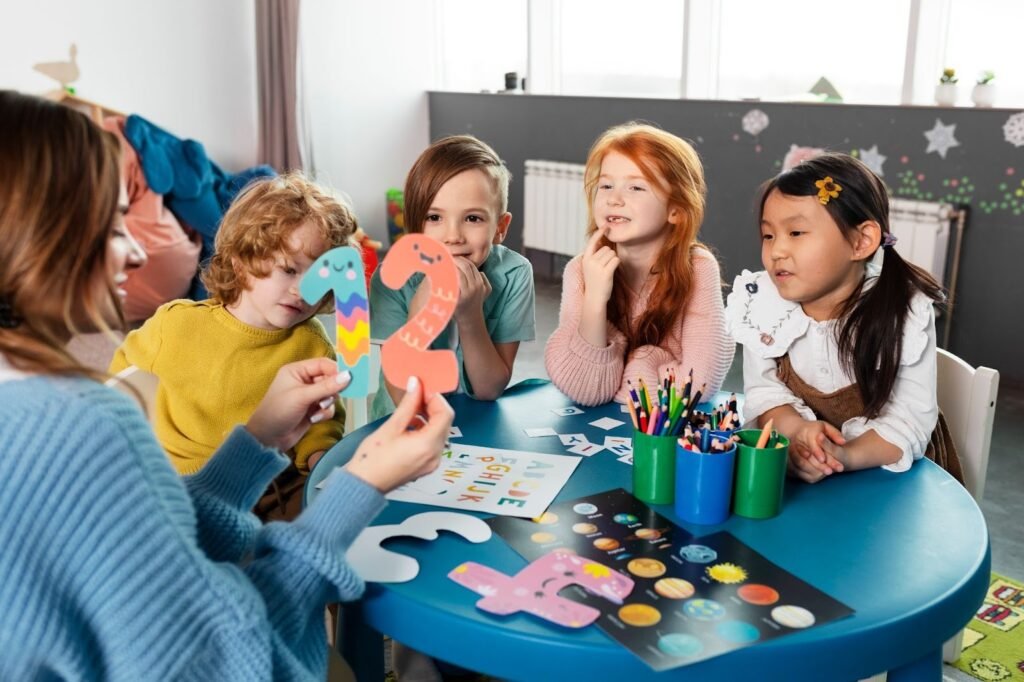
Early childhood education is more critical than ever, as it serves as the foundation for a child’s cognitive, social, and emotional development. Early learning experiences enhance language skills and foster self-regulation, preparing children for academic success and lifelong learning. Additionally, quality education promotes equity, reducing disparities among different backgrounds while equipping children to break the cycle of poverty. Engaged families play an essential role in supporting this development, reinforcing academic performance and social skills. Understanding these interconnected benefits reveals why investing in early education is so important for our children and communities today. Explore further to uncover more insights.
KEY TAKEAWAYS
- Early childhood education is crucial for cognitive and social development, laying the groundwork for lifelong learning and success.
- It enhances children’s language skills, emotional regulation, and social interactions, fostering essential communication and empathy.
- Quality early education helps reduce poverty by equipping children with skills for academic and career success, promoting economic resilience.
- Access to early education addresses disparities, ensuring all children receive quality learning opportunities, regardless of their background.
- Engaged parents and communities actively support children’s education, leading to improved academic performance and healthier relationships.
CRITICAL DEVELOPMENTAL STAGES
During the formative years of early childhood, a myriad of significant developmental stages unfolds that profoundly shape a child’s cognitive, emotional, and social growth. These stages are characterized by essential cognitive milestones that lay the groundwork for future learning and development.
Sensory development plays an important role, as children explore their surroundings and engage with various stimuli, enhancing their understanding of the world.
Language acquisition is another cornerstone of early childhood development, where children begin to express themselves and form connections with others. This process is often fostered through play-based learning, which not only makes learning enjoyable but also nurtures creativity, problem-solving, and social interactions.
In these nurturing environments, children develop self-regulation skills, allowing them to manage their emotions and behaviors effectively. Early childhood care and education (ECCE), covering the period from birth to 8 years old, is crucial because it leverages a time of significant brain development in children. Quality ECCE can set the foundation for good health, nutrition, learning success, social-emotional development, and economic productivity throughout life.
Attachment theory underscores the importance of secure relationships with caregivers, which are essential for emotional stability and resilience. Early intervention can greatly impact a child’s trajectory, particularly when challenges arise. Interventions harness the brain’s remarkable plasticity, enabling children to adapt and thrive despite difficulties.
Foundational skills acquired during these early years serve as building blocks for lifelong learning and development. By fostering an understanding of these significant developmental stages, we can better support children and empower them to reach their fullest potential.
Investing in early childhood education is not merely a choice; it is a profound commitment to nurturing the next generation, ensuring they possess the skills and resilience necessary to navigate life’s challenges.
Long-Term Academic Benefits
As children progress through their early years of education, the foundations laid during this critical period greatly influence their long-term academic success. Early childhood education is instrumental in fostering cognitive development and equipping children with the foundational skills necessary for future learning.
These initial experiences not only enhance literacy advancement and numeracy skills but also cultivate a love for learning that can last a lifetime. Research indicates that children who engage in high-quality early education exhibit greater academic motivation and educational resilience throughout their educational journey.
They develop critical thinking and problem-solving abilities that serve them well in increasingly complex learning environments. The benefits extend beyond immediate academic achievement; they lay the groundwork for lifelong learning.
Key long-term academic benefits of early childhood education include:
- Enhanced cognitive development through age-appropriate challenges
- Strong foundational skills that support reading and math proficiency
- Increased learning engagement, making students more enthusiastic to participate
- Improved educational resilience, enabling children to overcome academic challenges
- Higher rates of critical thinking and problem-solving skills
Social Skills and Emotional Intelligence
Nurturing social skills and emotional intelligence in early childhood education plays a significant role in shaping well-rounded individuals. During these formative years, children engage in peer interactions that foster important communication skills and the ability to express emotions effectively. Such interactions are essential for empathy development, as children learn to understand and share the feelings of others, laying the foundation for healthy relationships.
Through teamwork activities and cooperative play, children practice conflict resolution and self-regulation skills. These experiences teach them to navigate disagreements, promoting emotional resilience and the ability to cope with challenges.
As they form friendships, children not only enhance their social networks but also learn the importance of collaboration and respect for diverse perspectives, contributing to cultural awareness.
Moreover, emotional intelligence nurtured in these early stages is fundamental for lifelong success. By cultivating an environment where children can express their emotions and develop empathy, educators and caregivers empower them to handle social complexities with grace and confidence.
This holistic approach encourages children to become compassionate individuals who can thrive in a diverse world.
Economic Impact on Communities
The economic impact of early childhood education on communities is consistently profound and multifaceted. By prioritizing early learning, communities not only nurture the next generation but also catalyze broader economic benefits that contribute to social equity and resilience.
Investing in early childhood education serves as a foundation for robust workforce development, enabling parents to participate more fully in the labor market. Additionally, it fosters local partnerships that drive community investment and stimulate business growth.
The ripple effects are significant, leading to:
- Poverty Reduction: Quality early education equips children with the skills necessary to break the cycle of poverty.
- Skill Building: Children gain essential cognitive and social skills that prepare them for future academic and career success.
- Economic Resilience: A well-educated populace strengthens local economies, making them more adaptable to changes and challenges.
- Improved Health Outcomes: Early education programs often incorporate health and wellness initiatives, leading to healthier communities overall.
- Enhanced Social Equity: Access to quality education helps level the playing field, ensuring that all children have the opportunity to thrive.
In essence, early childhood education is a vital investment in the future of communities. By championing these initiatives, we not only uplift families but also cultivate a vibrant economy that is equipped to face the challenges of tomorrow.
A commitment to early childhood education is not merely a choice; it is a pathway toward creating a more equitable and prosperous society for all.
Parental Support and Involvement
Parental support and involvement play an essential role in shaping a child’s early educational experiences and overall development. Early childhood education is considered the official term for teaching young kids. More specifically, it refers to formal and informal educational programs that guide the growth and development of children throughout their preschool years (birth to age five). Children at these ages are entirely dependent on their adult caregivers, including parents, daycare providers, babysitters, extended family members, and teachers.
By fostering effective communication strategies and creating a nurturing environment, parents can greatly enhance their child’s learning journey.
Understanding the benefits of active engagement not only strengthens the parent-child bond but also lays a solid foundation for future academic success.
Benefits of Parental Engagement
Engaging parents in early childhood education greatly enhances the developmental outcomes for children. When families actively participate in their children’s learning, it fosters a supportive environment that extends beyond the classroom.
This involvement not only enriches home learning but also strengthens family bonds and builds essential support networks.
The benefits of parental engagement are manifold:
- Improved academic success: Children whose parents are involved tend to perform better academically.
- Enhanced social skills: Engagement encourages children to develop healthier relationships and communication skills.
- Positive parental attitudes: When parents demonstrate enthusiasm for education, it inspires children to share that passion.
- Increased access to educational resources: Families engaged in education are more likely to seek out and utilize valuable resources.
- Volunteer opportunities: Active participation provides parents with chances to contribute to their child’s educational experiences.
EFFECTIVE COMMUNICATION STRATEGIES
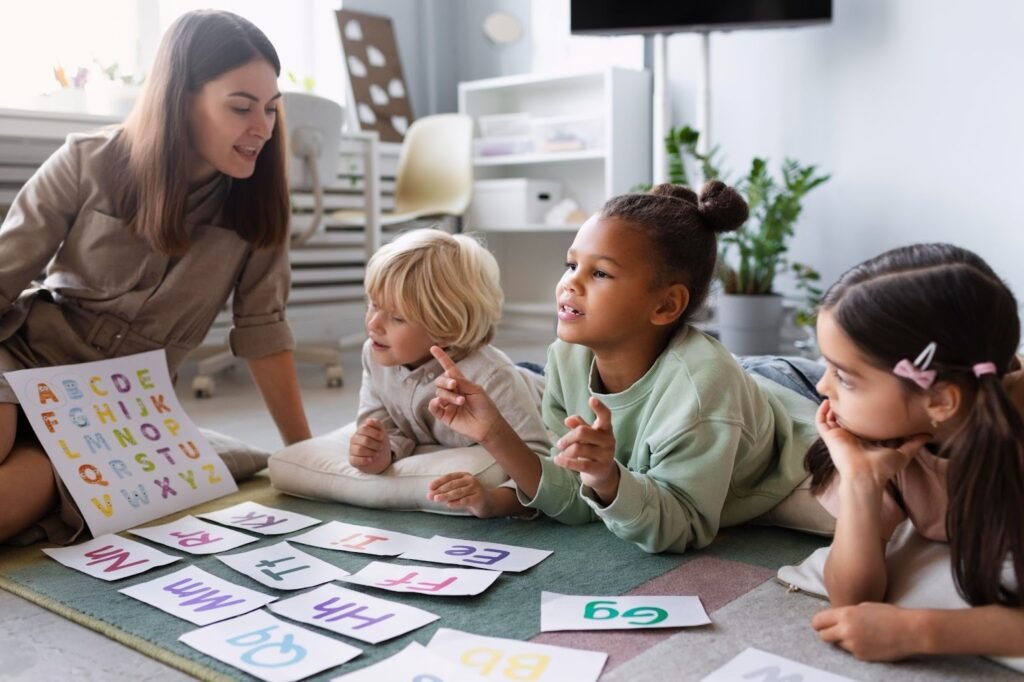
Effective communication serves as the cornerstone of strong parental support and involvement in early childhood education. By embracing effective strategies, parents and educators can foster an environment where children thrive. Active listening and recognizing nonverbal cues are fundamental, facilitating deeper connections and understanding. Collaborative storytelling can be a powerful tool, allowing parents and educators to share experiences that resonate with children’s learning journeys.
To enhance parental outreach and engagement, employing feedback techniques and conflict resolution strategies is essential. These methods encourage inclusive dialogues, ensuring that all voices are heard, particularly in culturally diverse settings. Empathy building is equally important, as it nurtures a supportive community where families feel valued and understood.
In this digital age, leveraging digital communication platforms can also strengthen connections, making information more accessible and timely. Below is a table summarizing effective communication strategies in early childhood education:
| Strategy | Description | Benefits |
| Active Listening | Engaging fully with what others say | Builds trust and understanding |
| Nonverbal Cues | Recognizing body language and facial expressions | Enhances emotional connection |
| Collaborative Storytelling | Sharing experiences to create joint narratives | Fosters community involvement |
| Feedback Techniques | Providing constructive responses | Encourages growth and improvement |
| Conflict Resolution | Addressing disagreements respectfully | Maintains positive relationships |
Building a Supportive Environment
Creating a supportive environment for young children necessitates active involvement from families and educators alike. This collaboration is essential in fostering inclusive practices that meet each child’s unique needs while cultivating nurturing spaces where they can thrive.
When parents and educators work together, children benefit from consistent reinforcement of learning and emotional support.
Consider these key aspects of building a supportive environment:
- Open Communication: Maintain regular dialogue between families and educators to share insights and strategies.
- Active Participation: Encourage parents to engage in classroom activities and decision-making processes, creating a sense of community.
- Resource Sharing: Provide families with tools and resources that promote learning at home, ensuring they feel equipped to support their children, just as educators can access materials from the engineering teacher shop.
- Cultural Sensitivity: Recognize and celebrate diverse backgrounds, integrating various perspectives into the learning environment.
- Positive Reinforcement: Acknowledge and celebrate each child’s achievements, fostering a sense of belonging and motivation.
Bridging Educational Gaps
Bridging educational gaps in early childhood education is essential for fostering equitable learning opportunities for all children. In a diverse society, cultural inclusivity must be at the forefront of our educational practices. By embracing children’s varied backgrounds, we cultivate an environment where every child feels valued and understood.
Personalized learning plays a significant role in this endeavor, as it allows educators to tailor experiences based on individual strengths and needs, guaranteeing that each child can thrive. Community partnerships are fundamental in this process, as they provide resources and support to families, enhancing access equity.
Collaborating with local organizations can facilitate the integration of technology that enriches learning experiences, making education more engaging and relevant. Furthermore, teacher training is imperative; educators must be equipped with the skills to implement effective assessment methods that reflect diverse learning styles and family dynamics.
Incorporating play-based learning is another powerful strategy for bridging educational gaps. This approach not only enhances cognitive development but also fosters social skills and emotional well-being, similar to how engineering lessons encourage problem-solving and creativity. This approach not only enhances cognitive development but also fosters social skills and emotional well-being. Additionally, promoting multilingual education guarantees that language barriers do not hinder a child’s ability to engage fully in their educational journey.
Ultimately, by intentionally addressing these aspects, we can create an inclusive early childhood education system that empowers every child to succeed, nurturing confident learners who are prepared to navigate an increasingly interconnected world.
The commitment to bridging educational gaps is not just an investment in individual futures but in the collective well-being of our communities.
Policy and Investment Importance
Effective policy and strategic investment in early childhood education are critical for ensuring that resources are allocated where they can make the most impact. Early childhood education is the branch of academia that involves teaching children from birth to approximately eight years old. The focus is largely on preparing students for a lifetime of learning, which involves the development of their social, emotional, cognitive, and physical needs, according to the United Nations Educational, Scientific, and Cultural Organization (UNESCO).
By prioritizing funding for high-quality programs, we not only enhance the immediate learning experiences of young children but also release significant long-term economic benefits for society as a whole.
As we explore these essential aspects, it becomes clear that thoughtful investment today lays the foundation for a brighter future.
Funding Allocation Strategies
Adequate funding allocation is crucial for the success of early childhood education programs, as it directly impacts the quality of services provided to young learners.
To create effective and sustainable educational environments, we must prioritize strategies that guarantee equitable resource distribution. By fostering public-private partnerships, we can leverage additional funding sources while promoting community engagement and support.
Key strategies for ideal funding allocation include:
- Investing in teacher training: High-quality educators, such as the engineering teacher, are essential for delivering impactful learning experiences.
- Enhancing facilities: Safe and stimulating environments contribute considerably to children’s development and well-being.
- Expanding access: Funding should target underserved communities to bridge gaps in service availability.
- Supporting family engagement: Resources aimed at involving families can lead to improved educational outcomes for children.
- Utilizing data-driven approaches: Continuous assessment of needs can guide funding decisions to maximize efficiency.
Long-term Economic Benefits
Investing in early childhood education extends beyond immediate educational outcomes; it has profound long-term economic implications for individuals, families, and society as a whole. Quality early education fosters cognitive growth, equipping children with essential skills that enhance their workforce readiness.
As they move into the job market, these individuals are more likely to possess a strong entrepreneurial mindset and the financial literacy necessary for maneuvering complex economic landscapes.
Moreover, early childhood education lays the groundwork for lifelong learning, encouraging children to pursue continuous skill development throughout their lives. This proactive approach not only increases their income potential but also contributes to a more robust economy.
When children are equipped with the tools to succeed, they become productive members of society, reducing the burden on social services and increasing overall community prosperity.
Investing in early childhood education is, consequently, an investment in the future. By prioritizing funding in this area, we can create a ripple effect that benefits families and strengthens the economy.
It is essential for policymakers and stakeholders to recognize these long-term economic benefits, ensuring that every child has access to the quality education they deserve.
RELATED STUDIES ABOUT EARLY CHILDHOOD EDUCATION
In summary, the significance of early childhood education cannot be overstated, particularly in a rapidly evolving world reminiscent of the Industrial Revolution’s transformative impact. Investing in this foundational phase fosters critical developmental milestones, enhances long-term academic success, and cultivates essential social skills and emotional intelligence. Additionally, strengthening community ties and parental involvement contributes to a more equitable educational landscape. Prioritizing policy initiatives and funding is imperative to guarantee a thriving future for the next generation.
Cultivating Resilience And Self-Regulation In Malaysian Early Childhood Education: Bridging Cultural Insights And Educational Practices
- Overview and Purpose
Resilience and self-regulation are foundational competencies that influence children’s long-term academic success, social well-being, and ability to navigate challenges. In Malaysia’s uniquely diverse, multicultural, and multi-religious society, the development of these skills in early childhood is profoundly shaped by cultural values and practices. This study investigates how Malaysian early childhood educators nurture resilience, self-regulation, and socio-emotional skills (SES) in children aged 4 to 6 years. It explores the pedagogical strategies teachers use, how they integrate local cultural and religious values, and the challenges they face in fostering these competencies within a diverse educational landscape.
- Key Research Questions
The study is guided by a central aim: to explore the practices of early childhood educators in nurturing resilience, self-regulation, and socio-emotional skills among 4- to 6-year-old children while addressing cultural diversity. This involves understanding the “what” and “how” of their pedagogical approaches in the Malaysian context.
- Methodology
- Theoretical Framework: The study is grounded in Vygotsky’s Sociocultural Theory, which posits that learning is a social process mediated by cultural tools and interactions, and Bronfenbrenner’s Ecological Systems Theory, which emphasizes the interconnected environmental systems (from family to societal values) that influence a child’s development.
- Design: A qualitative, multiple-case study design was employed to gain an in-depth understanding of practices across different educational settings.
- Participants: Seven senior early childhood educators were purposively selected from a range of preschool types in Malaysia, including two government institutions, four private kindergartens, and one private religious-based kindergarten. All participants were female, reflecting the demographics of the sector, with 11 to 22 years of teaching experience.
- Data Collection: Data were collected through in-depth, semi-structured interviews with each participant.
- Analysis: Thematic analysis was used to identify, analyze, and report patterns within the data, allowing themes to emerge organically from the educators’ perspectives.
- Major Findings
The analysis revealed four key themes illustrating how Malaysian educators integrate cultural and religious practices into their work of fostering children’s socio-emotional development.
- Self-Regulation and Resilience: The Interplay of Religious and Cultural Practices: Educators skillfully weave Islamic teachings into daily classroom life to build emotional competencies. Concepts like “sabar” (patience) are used as a cognitive and emotional tool for children to calm down. Collective rituals such as doa (prayer) and zikir create a sense of calm and readiness to learn. Situational events, like children fasting during Ramadan, are used as “teachable moments” to foster self-compassion and empathy for others. These practices act as culturally ingrained “scripts” that help children understand and manage their emotions.
- Educators as Cultural and Emotional Mediators: Teachers act as crucial bridges between the home and school environments. They adapt routines to accommodate religious observances (e.g., adjusting expectations during Ramadan) and use shared rituals (like group prayer) to foster unity. They also engage families directly, inviting them to “feelings days” to share strategies and ensure continuity between home and school. Furthermore, they use linguistic strategies—switching between Bahasa Malaysia and English—to ensure all children feel included and can access emotional vocabulary, demonstrating a spectrum of mediation from religious-specific to culturally pluralistic.
- Identity, Belonging, and Socio-Emotional Skills: A strong sense of identity and belonging is foundational to socio-emotional health. Religious and cultural celebrations, such as Eid (Raya), singing religious songs (nasheed), and participating in group prayers, powerfully affirm identity and foster group cohesion for Muslim children. Simultaneously, inclusive practices like a “house special corner” where children share family artifacts ensure that children from all backgrounds feel valued and recognized, creating a “hybrid identity space” where cultural pride and pluralism coexist.
- Culturally Responsive Assessment and Communication: Educators employ flexible, relational, and culturally sensitive approaches to assessment. They use observation notes on children’s behavior (e.g., handling waiting, sharing), engage in open dialogue with parents to understand a child’s context, and use creative methods like asking children to draw their feelings after an event. Teachers may also use shared religious language to help parents understand the importance of socio-emotional learning. This contrasts with standardized testing and reflects an “interpretive understanding” of each child’s unique emotional landscape.
- Implications for Practice
The findings offer significant insights for policy, teacher training, and classroom practice in Malaysia and other culturally diverse contexts.
- Value and Integrate Cultural Assets: Teacher education programs should explicitly train educators to recognize and leverage the cultural and religious “funds of knowledge” that children bring from home. Practices like using “sabar” or collective prayer are not just religious acts but powerful pedagogical tools for emotional regulation.
- Foster Critical Cultural Competence: While religious frameworks are valuable, educators must develop the critical competence to ensure their practices are inclusive of all children, regardless of background. This requires ongoing, reflective professional development that helps teachers navigate diversity and avoid essentialism.
- Develop Culturally Tailored Assessment Tools: There is a need for assessment frameworks that move beyond Western-centric, standardized metrics. Culturally responsive tools that value observation, parent dialogue, and creative expression are essential for gaining a holistic and accurate understanding of a child’s development.
- Strengthen Home-School Partnerships: The study highlights the power of engaging families as partners. Schools should create structured opportunities for dialogue and collaboration, ensuring that the values and strategies used to support children’s socio-emotional growth are consistent and mutually reinforced at home and school.
- Adopt a Flexible, Layered Approach: Effective practice requires adaptability. Educators need to be able to draw from a “toolkit” that includes both culturally specific (e.g., Islamic teachings) and universally inclusive (e.g., multilingual communication) strategies to meet the diverse needs of all children.
- Conclusion
This study illuminates the sophisticated and culturally embedded ways Malaysian early childhood educators nurture resilience, self-regulation, and socio-emotional skills. It demonstrates that fostering these competencies is not a value-neutral, one-size-fits-all process but is deeply intertwined with religious values, cultural traditions, and community contexts. By acting as cultural and emotional mediators, these teachers create classrooms where children’s identities are affirmed, their emotions are understood, and their capacity to navigate challenges is built on a foundation of cultural coherence. The findings underscore the critical importance of developing culturally responsive pedagogies, assessments, and teacher training to effectively support the holistic development of all children in a diverse society.
| REFERENCE: Mazlina Che Mustafa, Cultivating resilience and self-regulation in Malaysian early childhood education: Bridging cultural insights and educational practices, Acta Psychologica, Volume 261, 2025, 105941, ISSN 0001-6918, https://doi.org/10.1016/j.actpsy.2025.105941. (https://www.sciencedirect.com/science/article/pii/S0001691825012545) |
Vocal Health of Employees in Early Childhood Education
- Overview and Purpose
Early childhood educators are among the most voice-intensive professionals. They must communicate in noisy environments, use “infant-directed speech” (parentese) in higher registers, and often work without sufficient vocal breaks. These demands place them at high risk for occupational voice disorders, which can lead to hoarseness, vocal fatigue, reduced work ability, and even premature exit from the profession. While the impact of voice problems on quality of life and work attendance is known, a critical gap remains: many educators may have undetected voice issues, believing their voices to be healthy.
This study addresses that gap by investigating the frequency and severity of voice complaints among educators who self-assess their voices as healthy. It uniquely combines subjective questionnaires with objective voice measurements to uncover hidden voice problems and their impact on vocal performance and resilience.
- Key Research Questions
The study aimed to:
- Determine the frequency and severity of voice complaints among early childhood educators who consider their voices healthy.
- Investigate how subjectively perceived voice problems affect objective measures of vocal performance and resilience.
- Discuss implications for preventive care and vocational training based on the findings.
- Methodology
- Design: A cross-sectional study combining subjective surveys and objective voice diagnostics.
- Participants: 128 early childhood educators (94.5% female; mean age 41.2 years) from 23 daycare centers in Germany. All participants self-assessed their voices as healthy on the day of the study and had been employed for over one year. The sample was a convenience sample.
- Data Collection:
- Subjective Measures:
- Voice Handicap Index (VHI-9): A questionnaire assessing self-perceived vocal impairment.
- Vocal Tract Discomfort Scale (VTDS): A questionnaire measuring the frequency and intensity of physical discomfort in the vocal tract.
- Perceived Exertion: Rated on a Borg scale after a vocal loading test and reading task.
- Objective Measures:
- Dysphonia Severity Index (DSI): An internationally recognized, multiparametric tool for objectively quantifying voice quality (combining highest frequency, lowest intensity, maximum phonation time, and jitter). Scores classify voices as normal, mildly, moderately, or severely dysphonic.
- Vocal Loading Test (VLT): A 10-minute test requiring participants to sustain vowels at a high volume (≥75-80 dB(A)) to assess vocal endurance and the ability to meet vocal demands.
- Subjective Measures:
- Analysis: Statistical analysis included descriptive statistics, Spearman correlations, and group comparisons. A sample size calculation ensured sufficient power.
- Major Findings
The study revealed a significant discrepancy between educators’ self-perception of vocal health and objective measurements, indicating a high rate of undetected voice problems.
- High Rate of Undetected Voice Disorders: Despite all participants considering their voices healthy, objective testing with the Dysphonia Severity Index (DSI) revealed that 56.2% had abnormal results. Specifically:
- 49.2% showed signs of mild dysphonia.
- 6.3% showed signs of moderate dysphonia.
- 0.8% showed signs of severe dysphonia.
This means a “conspicuous” DSI was found in more than half of the subjectively healthy educators, acting as an early warning sign for a developing voice disorder.
- Subjective Complaints are Common:
- VHI-9: While 71% reported no handicap, 26.6% had a mild handicap and 2.3% a moderate handicap related to their voice.
- VTDS: Only 50.8% reported no vocal tract discomfort. The other half experienced mild (25.0%), moderate (15.6%), or severe (8.6%) discomfort.
- Work-Related Complaints: Many educators attributed their symptoms to their profession. For example, 23.4% reported that their sensitivity to noise and sound was “work-related,” and 18% said frequent respiratory infections were work-related.
- Reduced Vocal Resilience: In the Vocal Loading Test, 15 educators (12%) could not maintain the required sound pressure level for the full 10 minutes, and five women had to stop the test prematurely. This indicates a reduced capacity to meet the prolonged loud-speaking demands of their job.
- Correlations: A lower (worse) DSI score was significantly correlated with a greater inability to meet sound pressure levels in the VLT and with higher perceived exertion during and after the test. This confirms that objective voice weakness translates into real-world performance difficulty and subjective strain.
- Implications for Practice
The findings have urgent and clear implications for policy, training, and workplace health promotion.
- Mandatory Pre-Vocational Voice Screening: The high rate of undetected dysphonia supports requiring a phoniatric examination (voice health check) before entry into early childhood education training, similar to some German federal states’ previous practices.
- Integrate Voice Training into Curriculum: Speech and voice training must become a mandatory and continuous component of vocational education for early childhood educators. This training should cover vocal technique, projection in noise, and vocal hygiene to build resilience from the start.
- Implement Ongoing In-Service Voice Screenings and Coaching: Voice health should be monitored throughout a career. Regular, accessible voice screenings and advanced training/coaching can help detect problems early and provide educators with strategies to maintain vocal health.
- Promote Vocal Hygiene and Self-Care: Educators need to be educated on and supported in practicing good vocal hygiene, including adequate hydration, avoiding vocal strain, and managing lifestyle factors like smoking and reflux that impact the voice.
- Address Workplace Environmental Factors: Efforts to reduce background noise in daycare centers are also a crucial part of prevention, as noise is a primary driver of vocal strain.
- Conclusion
This study delivers a stark warning: a majority of early childhood educators who believe they have healthy voices show objective signs of dysphonia and reduced vocal resilience. This hidden vocal strain compromises their ability to work effectively and puts them at high risk for developing full-blown, career-ending voice disorders. The findings underscore that vocal health is not a given but a skill that must be trained and maintained. There is an urgent need for a systemic approach to prevention that includes mandatory voice screenings, integrated voice training in vocational education, and ongoing workplace support to protect the voices of those who care for and educate our youngest children.
| REFERENCE: Sabine Darius, Susanne Voigt-Zimmermann, Katarina Berkhauer, Irina Böckelmann, Vocal Health of Employees in Early Childhood Education, Journal of Voice, 2025,, ISSN 0892-1997, https://doi.org/10.1016/j.jvoice.2025.10.033. (https://www.sciencedirect.com/science/article/pii/S0892199725004540) |
Feasibility And Potential Efficacy Of Movement-Active-Physical-Play (M.A.P.P) Physical Activity Program In New Zealand’s Early Childhood Education Centres: A Pilot Cluster-Randomised Controlled Trial
- Overview and Purpose
Physical activity (PA) is critical for young children’s health and development, yet approximately 50% of children do not meet recommended PA levels during the childcare day. Early Childhood Education (ECE) centres are globally recognized as ideal settings for promoting PA, and teachers play an influential role. However, teachers often lack confidence and capacity to deliver effective PA programs, and interventions led by external experts are less scalable than those delivered by teachers themselves.
This pilot study evaluates the Movement-Active-Physical-Play (M.A.P.P) program, a novel 10-week intervention designed to be delivered by ECE teachers. The program aims to improve children’s PA levels and the quality of the movement environment in ECE centres. The study’s primary objectives were to determine the feasibility (fidelity and acceptability) and potential efficacy of M.A.P.P. to inform the design of a future, larger-scale trial.
- Methodology
- Design: A pilot cluster-randomised controlled trial with a mixed-methods (quantitative and qualitative) approach.
- Participants: Four ECE centres in the Hawkes Bay region of New Zealand were randomly allocated to an intervention (n=2) or control (n=2) group. Participants included 46 children (aged 3.9±0.5 years, 24 girls), 8 centre leaders, and 20 teachers (all female).
- The M.A.P.P. Intervention: A 10-week, online, teacher-led program grounded in social cognitive theory and connected to New Zealand’s bicultural early childhood curriculum, Te Whāriki. It consisted of:
- Teacher Professional Development (PD): Self-paced, consisting of 7 narrated webinars and 7 readings completed over 10 weeks.
- Daily Activities: Teachers delivered a pre-recorded, 15-minute daily activity video to children, focusing on different skills each day (e.g., balance, fundamental movement skills, proprioception).
- Control: Centres continued with their usual PA practice.
- Data Collection:
- Efficacy (Quantitative):Child PA:
- Measured via wrist-worn accelerometers for five days at baseline and post-intervention.Movement Environment Quality:
- Assessed using the Movement Environment Rating Scale (MOVERS) observation tool.
- Feasibility (Qualitative):
- Fidelity: Tracked via teacher self-reports of webinar completion and session delivery.
- Acceptability: Assessed through semi-structured interviews with children, teachers, and leaders post-intervention.
- Efficacy (Quantitative):Child PA:
- Analysis: Quantitative data were analyzed using generalised linear mixed models. Qualitative data were analyzed using thematic analysis with a predefined coding matrix.
- Major Findings
The study found M.A.P.P. to be highly feasible and acceptable, though it did not demonstrate a statistically significant effect on children’s physical activity levels in this small pilot sample.
- Feasibility (High Fidelity and Acceptability):
- Fidelity: Teachers completed 100% of the online PD webinars and delivered 80% of the planned daily activity sessions.
- Acceptability (Qualitative):
- Children described the activities as “fun” and “enjoyable,” with tug-of-war being a favourite.
- Teachers reported that the online format was accessible and that they valued immediately putting new knowledge into practice. They felt “more equipped” and confident to promote PA.
- A teacher even noted personal benefits, stating, “My fitness has improved too.”
- Barriers identified included the time demands of completing all components within a busy ECE day, competing demands (e.g., children needing intensive support), and challenges with inconsistent staffing.
- Potential Efficacy (Quantitative – No Significant Effect):
- Physical Activity: The analysis found no statistically significant intervention effect on any PA intensity (sedentary, light, moderate, vigorous, or moderate-to-vigorous PA). However, a significant interaction effect was found for sex, where decreases in moderate PA and MVPA over time were less pronounced for girls than for boys.
- Movement Environment Quality (MOVERS): Descriptive results (not statistically tested) showed that intervention centres improved their total MOVERS score (mean change +0.7), while control centres declined slightly (mean change -0.1). The biggest improvements were seen in the subscales for “Pedagogy for physical development” and “Supporting PA and critical thinking.”
- Implications for Practice and Future Research
The findings have important implications for designing scalable public health interventions in ECE settings.
- Teacher-Led Interventions are Feasible: M.A.P.P. demonstrated that an online, teacher-led PA program can be implemented with high fidelity and is well-accepted by teachers and children. This model is more sustainable and scalable than relying on external experts.
- Focus on Professional Development is Key: The improvements in MOVERS scores and teacher confidence suggest that the PD component is a crucial driver of change. Investing in teacher knowledge and self-efficacy may be the most effective way to improve the quality of the movement environment.
- Address Time and Staffing Barriers: For future implementation, programs must be designed to integrate more seamlessly into the daily routine, and centres need support to manage staffing challenges that hinder consistent delivery.
- A Larger Trial is Warranted: The lack of significant PA findings was expected given the pilot’s small sample size. The positive feasibility results provide a strong foundation for a fully powered trial to determine M.A.P.P.’s true efficacy.
- Consider Sex Differences: The finding that girls’ PA levels decreased less than boys’ warrants further investigation. This could indicate that the structured, teacher-led activities were particularly effective at engaging girls, who typically engage in more sedentary play.
- Conclusion
This pilot study provides robust evidence that the M.A.P.P. program is a feasible and acceptable intervention for promoting physical activity in New Zealand ECE centres. Teachers successfully delivered the program, found it valuable, and reported increased confidence. While a significant impact on children’s PA levels could not be detected in this small sample, the positive trends in the movement environment and the high levels of engagement support the need for a larger, definitive trial. M.A.P.P. represents a promising, scalable model for harnessing the potential of ECE teachers to foster a generation of more active, healthier children.
| REFERENCE: Wendy Pirie, Scott Duncan, Andrew Gibbons, Rachel Jones, Tom Stewart, Nigel Harris, Feasibility and potential efficacy of Movement-Active-Physical-Play (M.A.P.P) physical activity program in New Zealand’s early childhood education centres: A pilot cluster-randomised controlled trial, Australian and New Zealand Journal of Public Health, Volume 49, Issue 6, 2025, 100286, ISSN 1326-0200, https://doi.org/10.1016/j.anzjph.2025.100286. (https://www.sciencedirect.com/science/article/pii/S1326020025000688) |
